
Introduction
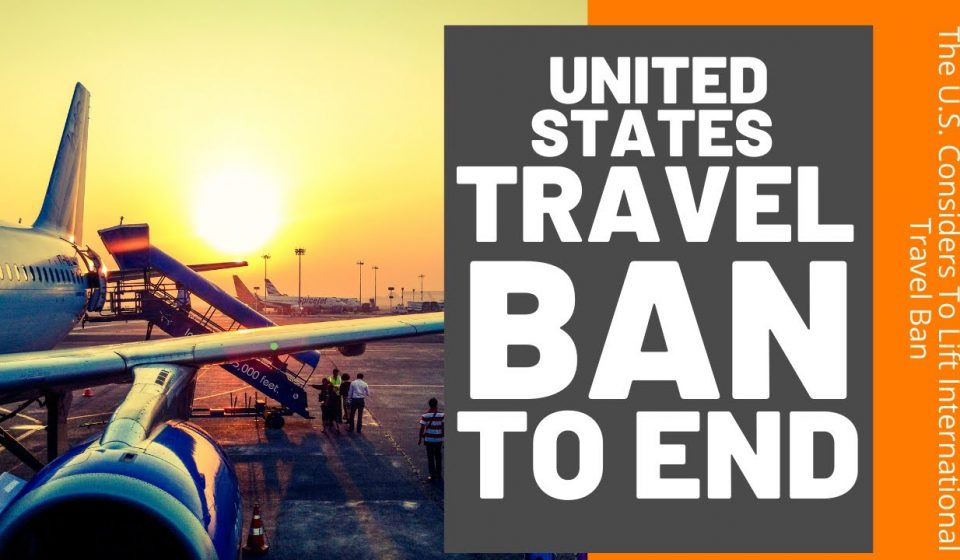
The us travel ban has remained one of the most talked-about immigration policies in recent years. From legal battles and Supreme Court rulings to public protests and international reactions, the policy has shaped conversations around immigration, national security, and global travel.
For many people, the topic can feel confusing because of changing rules, political debates, and legal language. Some view it as an important security measure, while others believe it creates unnecessary restrictions for travelers, students, workers, and families.
No matter which side of the debate someone supports, there is no doubt that the policy has had a major impact both inside and outside the United States.
In this article, we’ll break down the history, legal background, real-world effects, and future of the policy in a simple and easy-to-understand way.
What Is the US Travel Ban?
The us travel ban is a policy used by the U.S. government to restrict or limit entry for people from certain countries. These restrictions are usually connected to national security concerns, immigration policies, or diplomatic issues.
Depending on the version of the policy, restrictions can include:
- Temporary suspension of entry
- Visa limitations
- Additional background checks
- Delayed immigration processing
The rules are not always permanent. Different administrations may change or update the restrictions over time.
For travelers and immigrants, these policies can significantly affect plans involving work, education, tourism, or family reunification.
Why Was the Travel Ban Introduced?
The policy was introduced mainly as a national security measure. Government officials argued that stronger screening systems were necessary for countries with limited information-sharing capabilities or unstable security conditions.
Supporters believed stricter controls would help reduce potential risks and improve immigration vetting procedures.
Critics, however, argued that the restrictions unfairly targeted certain populations and created unnecessary hardship for families and individuals who posed no threat.
The debate quickly moved beyond immigration and became a larger discussion about constitutional rights, executive authority, and America’s role in global mobility.
The Legal Foundation Behind the Policy
The us travel ban is based on powers granted to the President under U.S. immigration law.
Presidential Authority
Under the Immigration and Nationality Act, the President has authority to restrict entry of foreign nationals if it is considered necessary for national security or public interest.
This gives the executive branch broad flexibility in immigration matters.
Role of the Courts
Even though the President has significant authority, courts can still review immigration policies to ensure they follow constitutional and legal standards.
This is why the policy eventually became the subject of major legal challenges.
Supreme Court and Legal Challenges
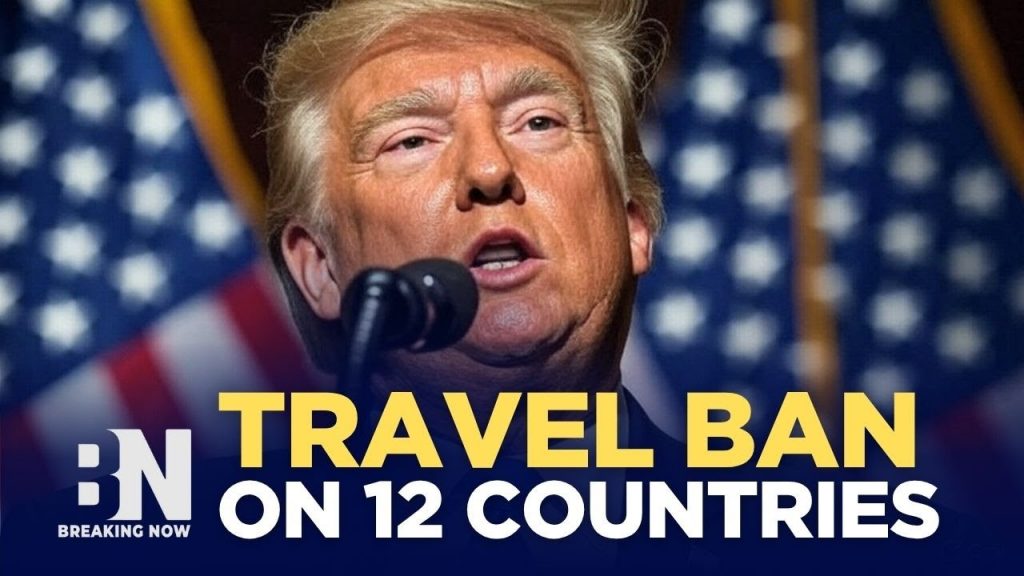
One of the biggest moments in the history of the us travel ban came when it reached the U.S. Supreme Court.
Opponents argued that the policy discriminated against certain groups and exceeded presidential authority. Supporters argued that immigration and border control are core executive responsibilities.
After extensive legal debate, the Supreme Court upheld a version of the restrictions, confirming that the executive branch has broad authority in immigration matters when national security concerns are involved.
The decision became one of the most important immigration rulings in recent years.
How the Policy Works in Real Life
For many people, immigration policy feels distant until it directly affects their travel plans, education, or family situation.
In practice, restrictions can influence multiple stages of the immigration process.
Visa Applications
Applicants from affected countries may face:
- Longer waiting periods
- Additional interviews
- More detailed documentation requests
- Increased background screening
Airport Screening
Even travelers with approved visas may undergo extra screening at airports and border checkpoints.
Exceptions and Waivers
Some people may qualify for special exemptions, especially in humanitarian cases or urgent family situations. However, waivers are often limited and subject to strict review.
Impact on Students and Universities
International students are among the groups most affected by immigration restrictions.
Students planning to study in the United States may experience uncertainty during the visa process, especially if travel rules change unexpectedly.
Universities can also feel the impact because international students contribute significantly to:
- Academic research
- Campus diversity
- Local economies
- Innovation and technology sectors
When restrictions become stricter, some students choose to study in other countries instead.
Families and Immigration Delays
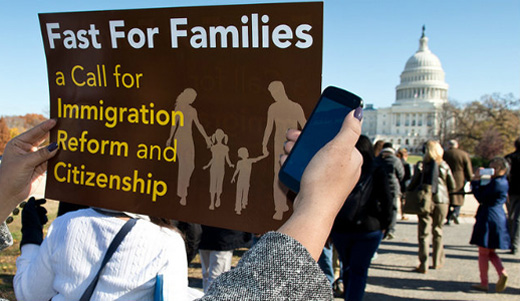
For families, immigration restrictions can become emotionally difficult.
Parents may be separated from children, spouses may face long waiting periods, and family reunification processes can slow down significantly.
Immigration paperwork is already complex, and added restrictions can create even more uncertainty for families trying to reunite legally.
This human side of the issue is one reason the policy continues to generate strong public reactions.
Impact on Businesses and the Economy
The us travel ban also affects businesses, especially companies that rely on international talent and global travel.
Hiring Challenges
Businesses may struggle to recruit workers from affected regions due to visa restrictions and delays.
International Collaboration
Global companies often depend on cross-border teamwork, conferences, and travel. Restrictions can disrupt these operations.
Economic Effects
Travel restrictions may also affect:
- Tourism revenue
- Airline industries
- International education markets
- Hospitality sectors
While the direct economic impact varies, immigration policy often influences global business confidence.
Political Debate Around the Travel Ban
Few immigration policies have created as much political debate as this one.
Supporters Say
Supporters argue the restrictions:
- Improve national security
- Strengthen immigration control
- Help manage border safety
- Encourage stronger international cooperation
Critics Say
Critics believe the policy:
- Creates unfair barriers
- Damages America’s international image
- Affects innocent travelers
- Separates families unnecessarily
Because immigration is closely connected to national identity and security, debates around the policy are often intense.
Media Coverage and Public Opinion
Media coverage has played a huge role in shaping how people view the policy.
Some reports focus on national security and border protection, while others highlight personal stories from affected families and travelers.
Public opinion often depends on political beliefs, personal experiences, and understanding of immigration law.
Social media has also amplified the discussion, making the issue part of larger global conversations about immigration and human rights.
International Reaction
Many countries closely watched how the policy developed.
Some governments criticized the restrictions and expressed concerns about fairness and diplomacy. Others worked with U.S. officials to improve information-sharing systems and security cooperation.
The global response showed how immigration policies can influence international relationships far beyond border control alone.
How the Policy Has Changed Over Time
The us travel ban has not remained exactly the same since it was first introduced.
Different administrations have:
- Added or removed countries
- Changed visa requirements
- Modified screening procedures
- Expanded or reduced exemptions
These changes reflect how immigration policies evolve based on political priorities, court rulings, and international developments.
The Future of Immigration Restrictions
The future of the us travel ban will likely depend on:
- Political leadership
- National security concerns
- Court decisions
- International relations
Future policies may become more targeted and technology-driven, using digital screening systems and data analysis rather than broad restrictions.
Immigration systems around the world are increasingly moving toward advanced vetting methods, and the United States is expected to continue adapting its policies over time.
Frequently Asked Questions (FAQ)
What is the US travel ban?
It is a government policy that restricts entry into the United States for people from certain countries.
Why was it introduced?
The policy was introduced mainly for national security and immigration control purposes.
Is it legal?
Yes, the Supreme Court upheld a version of the policy under presidential authority granted by immigration law.
Does it affect students and families?
Yes, it can affect visa processing, travel plans, and family reunification.
Can the policy change?
Yes, immigration restrictions can change depending on government decisions and legal developments.
Final Thoughts
The us travel ban remains one of the most influential immigration policies in recent American history. It has shaped legal debates, political discussions, and global travel experiences while also raising important questions about security, fairness, and immigration control.
Whether viewed as a necessary safety measure or a controversial restriction, the policy continues to impact millions of people worldwide. As immigration laws evolve, discussions around travel restrictions will likely remain an important part of public and legal debate for years to come.