

























































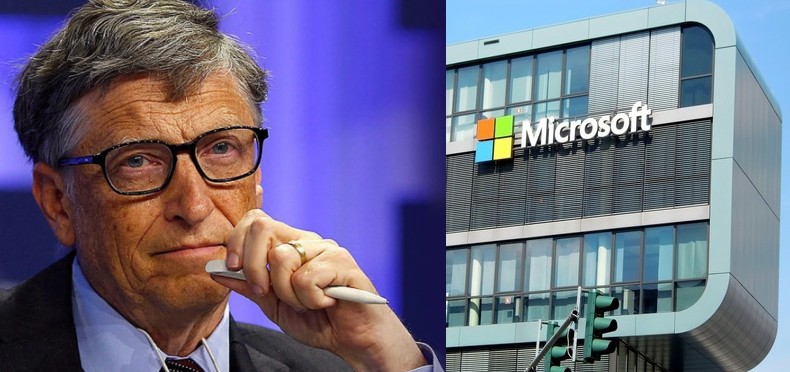

Introduction
When people search for who owns Microsoft, they are usually expecting a simple name or a single company behind it. The reality is more interesting and more complex than that. Microsoft is one of the largest technology companies in the world, and its ownership is spread across millions of people and institutions globally.
So when we ask who owns Microsoft, we are not talking about one person or one family. We are talking about a public system where ownership is divided through shares, and those shares are held by investors around the world.
Microsoft plays a huge role in software, cloud computing, gaming, and enterprise technology. Because of this global impact, understanding who owns Microsoft helps you understand how modern tech companies actually work.
This article breaks everything down in a simple and clear way, including its history, major shareholders, leadership, and how control is distributed today.
What It Really Means When Asking Who Owns Microsoft
To understand who owns Microsoft, you first need to understand what a public company is.
Microsoft is a publicly traded company listed on the NASDAQ stock exchange under the symbol MSFT. This means its ownership is not private. Instead, it is divided into shares that can be bought and sold by anyone.
So when someone asks who owns Microsoft, the correct answer is that it is owned by shareholders. These shareholders include:
- Large institutional investors
- Investment funds and pension funds
- Individual retail investors
- Company executives and insiders
No single person controls Microsoft completely. Ownership is shared across millions of people.
This is why the question who owns Microsoft does not have one name as an answer.
The Early History of Microsoft Ownership
To fully understand who owns Microsoft today, we need to go back to the beginning.
Microsoft was founded in 1975 by Bill Gates and Paul Allen.
In the early days, ownership was simple. Gates and Allen owned most of the company. If someone asked who owns Microsoft back then, the answer would have been just the two founders.
At that stage, Microsoft was still a small software company focused mainly on programming languages and early operating systems.
As the company grew, it began giving shares to employees and early investors. This slowly changed the ownership structure.
Microsoft Goes Public and Everything Changes
A major shift in who owns Microsoft happened in 1986 when the company went public.
Going public means a company sells shares on the stock market for the first time. After this moment, ownership is no longer limited to founders or private investors.
Instead, anyone in the public can buy shares.
This event transformed Microsoft from a privately controlled startup into a global public corporation.
After the IPO:
- Early employees became shareholders
- Investors gained ownership stakes
- Founders started reducing their percentage over time
From this point forward, the answer to who owns Microsoft became more complex.
Who Owns Microsoft Today
Today, the answer to who owns Microsoft is straightforward but wide in scope.
Microsoft is owned by its shareholders, which include millions of individuals and institutions around the world.
However, ownership is not evenly distributed. A small group of large institutional investors holds a significant portion of shares.
So while many people technically own Microsoft, most of the influence comes from big financial institutions.
This structure is very common among large tech companies.
Institutional Investors and Their Role
When breaking down who owns Microsoft, institutional investors are the most important group.
These are large financial organizations that manage money on behalf of clients. They include pension funds, mutual funds, and investment firms.
Some of the biggest names include:
- Vanguard Group
- BlackRock
- State Street Corporation
These companies do not “own” Microsoft in a traditional sense. Instead, they hold shares on behalf of millions of investors.
Because they control large portions of stock, they also have significant voting power in corporate decisions.
So when asking who owns Microsoft, institutional investors are the biggest part of the answer.
Individual Investors and Public Ownership
Another important part of who owns Microsoft is individual investors.
These are everyday people who buy Microsoft stock through brokerage accounts or retirement plans.
Even if one person owns only a few shares, they are still part of Microsoft’s ownership structure.
Many people also own Microsoft indirectly through index funds or ETFs. For example, if someone invests in a fund tracking the S&P 500, they automatically own a small portion of Microsoft.
This makes Microsoft one of the most widely owned companies in the world.
Company Insiders and Executives
When exploring who owns Microsoft, we also need to look at company insiders.
These include executives, board members, and employees who receive stock-based compensation.
The current CEO, Satya Nadella, owns shares in the company but does not control it personally.
Insiders usually hold a small percentage compared to institutional investors. However, they play an important role in decision-making.
Their ownership aligns their interests with the company’s performance.
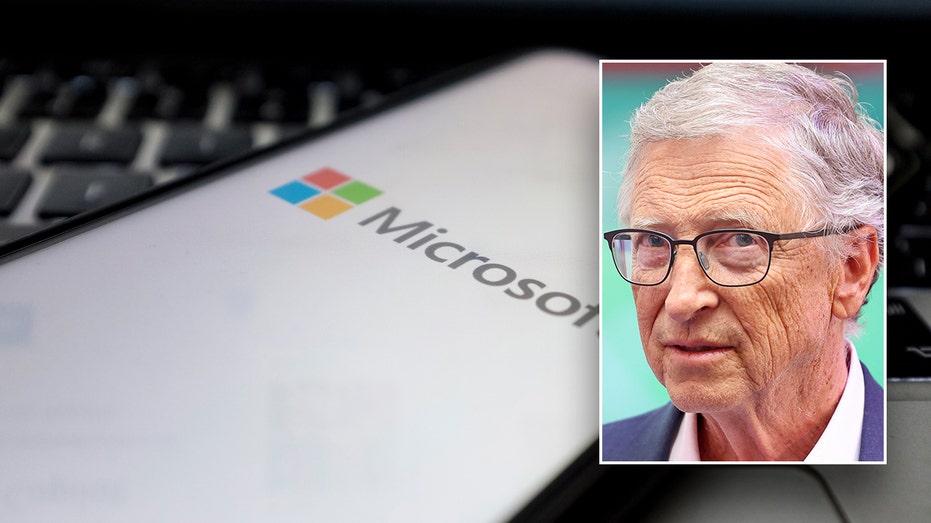
Does Bill Gates Still Own Microsoft
One of the most searched questions related to who owns Microsoft is about Bill Gates.
Bill Gates was once the largest shareholder of Microsoft. Over time, he gradually sold and donated most of his shares.
Today, he still owns a small amount, but he is no longer a major shareholder.
His influence on the company is historical rather than operational.
So if you are asking who owns Microsoft today, Bill Gates is not a major part of the answer anymore.
Who Controls Microsoft vs Who Owns Microsoft
It is important to separate ownership from control when discussing who owns Microsoft.
Ownership belongs to shareholders. Control belongs to leadership.
Microsoft is managed by its executive team and board of directors. They handle strategy, operations, and decision making.
However, they are accountable to shareholders.
This means that even though millions of people own Microsoft, day to day decisions are made by a smaller leadership group.
So the question who owns Microsoft is different from who runs Microsoft.
The Role of the Board of Directors
The board of directors plays an important role in Microsoft’s structure.
They represent shareholders and make sure the company is being managed properly.
Their responsibilities include:
- Approving major decisions
- Overseeing company direction
- Protecting shareholder interests
The board does not change the answer to who owns Microsoft, but it helps connect ownership with leadership.
How Microsoft Shares Work
To understand who owns Microsoft more clearly, it helps to know how shares function.
Each share represents a small piece of ownership in the company.
When you buy Microsoft stock:
- You become a partial owner
- You may gain voting rights
- You may receive dividends
Because Microsoft has billions of shares, ownership is highly distributed.
This is why there is no single answer to who owns Microsoft.
Global Ownership of Microsoft
Another interesting part of who owns Microsoft is its global reach.
Microsoft shares are owned by investors across:
- North America
- Europe
- Asia
- Middle East
- Australia
This global spread shows how interconnected modern investing has become.
So when someone asks who owns Microsoft, the answer is not tied to one country. It is a worldwide network of investors.
Common Misconceptions About Who Owns Microsoft
There are several misunderstandings about who owns Microsoft.
One common myth is that Bill Gates still owns most of the company. This is false.
Another myth is that a single company secretly controls Microsoft. This is also incorrect.
Some people believe Microsoft is privately controlled behind the scenes. In reality, everything is public and regulated.
These misconceptions make the question who owns Microsoft more confusing than it needs to be.
Why Microsoft Has No Single Owner
Microsoft is designed to prevent single ownership control.
This structure allows:
- Wider investment participation
- Reduced risk for investors
- More stable corporate governance
Because of this system, no single person can claim full ownership.
So the answer to who owns Microsoft is always a shared group rather than an individual.
Future of Microsoft Ownership
The structure of who owns Microsoft will continue to evolve.
As more people invest through digital platforms, ownership will become even more distributed.
Institutional investors will still hold large portions, but individual investors will grow in number.
This means Microsoft will remain one of the most widely owned companies globally.
FAQ About Who Owns Microsoft
Is Microsoft owned by one person
No, Microsoft is owned by millions of shareholders worldwide.
Does Bill Gates still own Microsoft
He owns a small portion but is no longer a major shareholder.
Can anyone own Microsoft
Yes, anyone can buy shares through the stock market.
Who runs Microsoft
Microsoft is run by its CEO and executive leadership team.
Is Microsoft private or public
Microsoft is a public company listed on the stock exchange.
Conclusion
So, who owns Microsoft?
The answer is that Microsoft is owned by its shareholders. These include large institutional investors, global investment firms, and individual investors from around the world.
There is no single owner, and no private control. Instead, ownership is shared through the stock market system.
Understanding who owns Microsoft helps explain how modern corporations operate. It shows a system where ownership is global, control is structured, and influence is distributed across millions of people.
In the end, Microsoft belongs to the market, and the market belongs to everyone who invests in it.