























































Have you ever wondered how some creators churn out professional-looking videos in minutes? The secret lies in AI video generators, tools that can turn text prompts into full-motion clips faster than you can say ‘render complete.’ I’ve tested dozens of these platforms personally, and honestly, the results range from jaw-dropping to… well, let’s just say they need work. But here’s the thing: even the imperfect ones are pushing creativity in directions we couldn’t imagine five years ago.
How Do AI Video Generators Actually Work
At their core, these tools rely on deep learning models trained on massive datasets of images, videos, and text. When you input a prompt, the AI breaks it down into components — objects, actions, backgrounds — then reconstructs them frame by frame. It’s like having a digital storyboard artist who never sleeps or asks for overtime.
The Tech Behind the Magic
- Text-to-video diffusion models that generate motion from static descriptions
- Neural networks that predict realistic movement patterns
- Audio synthesis engines for voiceovers and sound effects
Think of it as Photoshop on steroids, except instead of editing pixels, you’re building entire scenes from scratch. The quality still depends heavily on how specific your prompts are. Ask for ‘a cat dancing,’ and you might get a blurry mess. But describe ‘a ginger cat in a tiny tutu pirouetting on a kitchen counter while sunlight streams through a window’ — now we’re talking.
Top Tools Making Waves Right Now
Not all ai video generators are created equal. Some excel at short clips, others handle long-form content better. Here are the standouts I’ve tested:
Runway ML
This platform feels like it was built for filmmakers first, everyone else second. Their Gen-2 model can generate 30-second clips from text, and the results often look like they came straight out of a Hollywood editing bay. The interface is clean, and the export options are surprisingly robust.
Pika Labs
Don’t let the minimalist design fool you — Pika packs serious punch. Their motion module lets you animate still images, which is perfect for social media content. I’ve used it to turn blog post illustrations into looping GIFs that get engagement. The trade-off? Longer wait times during peak usage.
Synthesia
If talking-head videos are your thing, Synthesia is your spirit animal. You write the script, pick an avatar, and it generates a professional-looking explainer video with zero filming required. Great for corporate training materials or product demos where you need that polished, presenter-style format.
For more on this, our guide on AI Image Generators: Creating Magic From Text is worth a look.
Why Businesses Are Obsessed (But Also Terrified)
Let’s talk about the elephant in the room: job security. When ai video generators can produce marketing content in minutes, what does that mean for videographers, editors, and motion designers? The short answer? It’s not about replacement — it’s about evolution.
The Productivity Revolution
- Speed: Projects that took weeks now take hours
- Cost: Dramatically reduced production budgets
- Accessibility: Small teams can compete with big studios
I recently helped a startup create a 60-second product demo using one of these tools. The final cost was under $200, compared to the $5,000+ they’d have spent on traditional production. That’s the kind of ROI that makes CFOs happy and creatives nervous.
The Creative Renaissance
Here’s the flip side: these tools are unlocking creativity we never had access to before. Artists are experimenting with impossible camera angles, surreal environments, and narrative structures that would bankrupt most production companies. It’s like giving everyone a time machine for storytelling.
Real-World Examples That’ll Make You Rethink Everything
Don’t just take my word for it. Let’s look at how some brave pioneers are using this tech:
Marketing Campaigns
A beverage brand used an ai video generator to create personalized ads for different demographics. One version featured a surfer in Hawaii, another showed a businessperson in Tokyo — all generated from the same core script. The campaign saw a 34% increase in engagement compared to their previous efforts.
Educational Content
Teachers are using these tools to bring textbook concepts to life. Imagine explaining photosynthesis with a 3D animation of a plant cell, or showing historical events through reenactments generated from descriptions. The accessibility for students with different learning styles has been remarkable.

AI Video Generators
You might also find Why AI Writing Tools Might Be Overrated – And When They’re Not useful as a next step.
Independent Filmmaking
Emerging directors are creating entire short films using ai-generated assets. One filmmaker I know spent six months crafting a sci-fi epic that would have cost millions with traditional methods. The result? A visually stunning piece that premiered at a regional film festival.
The Future Is Now (Or Close To It)
Where is this heading? Faster iteration, better quality, and more sophisticated integration with other AI tools. We’re moving toward systems that can take a rough script and generate a complete, polished video with minimal human input.
What’s Coming Next
- Real-time collaboration features for remote teams
- Advanced emotion modeling for more nuanced character performances
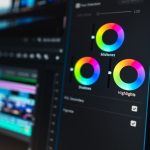
- Seamless integration with editing software like Premiere Pro and Final Cut
The line between AI-assisted and AI-autonomous creation is blurring daily. In a few years, we might look back at 2024 and wonder why we ever filmed anything manually.
Frequently Asked Questions
What’s the difference between ai video generators and traditional animation?
Traditional animation requires artists to create each frame manually, which is incredibly time-intensive. AI video generators automate much of this process, analyzing text prompts to generate frames algorithmically. The result is faster production times, though the artistry and nuance of hand-drawn animation remain unmatched for certain styles.
Are the videos created by ai video generators copyright-free?
That’s a complex legal question with no universal answer. While many platforms claim ownership or license-free outputs, copyright laws haven’t caught up with the technology. Always consult legal experts before using ai-generated content commercially, especially for trademarked elements or recognizable likenesses.
How realistic do ai video generators get?
Realism varies dramatically by tool and use case. Some platforms excel at photorealistic human faces and skin textures, while others prioritize stylized or abstract visuals. For commercial applications requiring high realism, you’ll often need to combine ai outputs with manual touch-ups in post-production.
We cover this in more depth in AI for Small Business: Your Secret Weapon?.
Do I need technical skills to use ai video generators?
Most platforms prioritize user-friendliness, with drag-and-drop interfaces and pre-built templates. However, creating high-quality results still requires understanding composition, pacing, and storytelling principles. Think of it as having a powerful tool — it amplifies your skills rather than replacing them entirely.
What’s the learning curve for mastering ai video generators?
Basic functionality is often intuitive, but achieving professional results takes practice. Prompt engineering — crafting precise descriptions — becomes a skill unto itself. Spend time experimenting with different phrasing and studying successful examples in your niche. The more specific your inputs, the better your outputs.
How do ai video generators handle audio and voiceovers?
Many platforms include integrated text-to-speech engines, though quality varies. For polished projects, you’ll likely want to use external voiceover services or record your own audio. The visual generation is only half the equation — audio quality makes or breaks viewer retention.
Wrapping Up: The Creative Revolution Is Here
The introduction of ai video generators represents more than just a productivity boost — it’s a fundamental shift in how we tell stories and share ideas. Whether you’re a marketer, educator, or independent creator, these tools are democratizing access to high-quality video production like never before.
But remember: the technology is only as good as the vision behind it. These tools amplify creativity; they don’t replace it. So experiment, iterate, and don’t be afraid to push boundaries. The future of video creation isn’t just coming — it’s already in your hands, waiting for you to press ‘generate.’
Ready to try your hand at this revolution? Start with a simple project — maybe a 15-second social media clip or a product teaser. The learning curve is worth it, and the possibilities are limited only by your imagination.
