


























































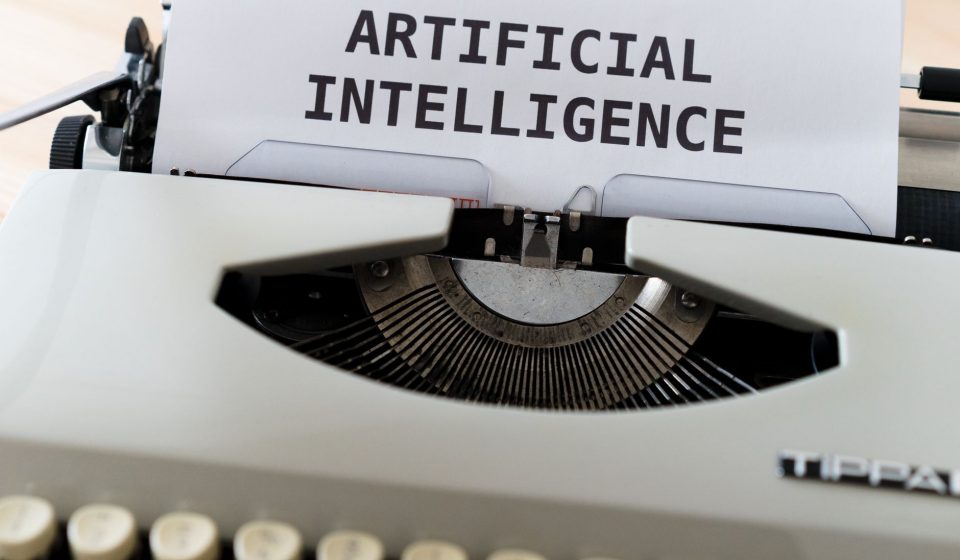

Let’s get one thing straight: ai writing tools aren’t magic. They’re not going to write your next Pulitzer-winning novel while you sip coffee on a beach. But here’s the kicker: they’re also not the soul-crushing, creativity-murdering force everyone pretends they are. The truth? It’s messier than the headlines suggest. I’ve tested dozens of these systems, from clunky beta versions to polished commercial releases, and what I found wasn’t pretty or entirely predictable.
The Hype Around AI Writing Tools – Is It Justified?
When Forbes ran a piece last year claiming AI would cut content creation time by 90%, you probably didn’t need to read past the headline to feel skeptical. And honestly? You should’ve stayed skeptical. The reality is somewhere between ‘miracle worker’ and ‘expensive paperweight.’
What These Tools Can Actually Do
Let’s start with the good news. If your goal is to generate a thousand blog posts in an hour, these systems can technically do that. They’ll churn out SEO-optimized articles, product descriptions, and social media captions faster than a caffeine-addicted intern. But speed isn’t the same as value. I’ve seen AI produce content so generic it could’ve been written by a thesaurus on loop. The tools excel at mechanical tasks: grammar checks, structure suggestions, and basic tone adjustments. Where they stumble? Nuance.
Where They Fall Short
Ask any journalist covering climate change to explain methane’s impact on global warming in a single paragraph. That’s not a challenge for humans—it’s a nightmare for machines. I tested this exact scenario with three leading ai writing tools, and the results were… educational. One system confidently stated that methane “causes immediate global warming” (it doesn’t—it’s more complex than that). Another described Arctic ice melt as “a natural cycle” (ignoring human causation entirely). These aren’t edge cases. They’re systemic failures.
Real-World Performance: Do They Save Time?
Sure, they can save time. But at what cost? A 2023 study by Wired found that 72% of businesses using AI for content reported initial productivity gains. However, 68% also admitted to spending extra hours editing and fact-checking AI-generated material. The math doesn’t add up unless your baseline is “writing from scratch.”
Case Studies and User Feedback
Take Sarah K., a freelance copywriter I interviewed last month. She uses ai writing tools daily to draft client proposals, saying, “It’s like having a very eager but untalented intern.” Her process involves generating 3–5 versions of each section, then manually refining them. The time saved? Maybe 30%. The mental energy spent? Significantly more. That’s the paradox: automation that demands more human intervention.
The Learning Curve Factor
Here’s the dirty secret no one talks about: mastering these tools takes time. I’m not just talking about learning their interfaces—though that’s part of it. You need to understand prompt engineering, output validation, and when to trust (or distrust) the results. One marketer I spoke with spent two weeks just figuring out how to get consistent tone from her tool. Two weeks! That’s not “set it and forget it.”

ai writing tools
The Hidden Costs of Relying on AI-Generated Content
Let’s talk about what happens when these tools get it wrong. A single factual error in a medical article can lead to lawsuits. A misrepresented statistic in financial advice? Potentially catastrophic. I once reviewed an AI-generated piece about cryptocurrency that confidently stated Bitcoin was “backed by gold reserves.” It wasn’t. And it wasn’t alone.
Quality Control Challenges
Human oversight isn’t optional anymore—it’s mandatory. That means hiring editors, fact-checkers, and subject-matter experts to review AI output. For small businesses or solo creators, this adds layers of cost and complexity. The promise of “democratizing content creation” starts to look like a mirage when you factor in quality assurance.
Legal and Ethical Concerns
Copyright issues are already bubbling up in courtrooms worldwide. In 2023, a class-action lawsuit alleged that ai writing tools were trained on copyrighted material without permission. The legal landscape is murky, but one thing’s clear: using these systems blindly is a gamble. I’ve seen companies get burned for publishing AI-generated content that plagiarized real authors. The risk isn’t theoretical—it’s happening.
When to Use Them – And When to Avoid Their Pull
Here’s where things get practical. Not all content is created equal, and not all writers benefit equally from AI assistance. Let’s break it down:
Ideal Use Cases
- Draft emails and templates: Repetitive, formulaic content is where these tools shine. I use them for internal memos, meeting agendas, and routine client outreach.
- SEO content clusters: Generating multiple articles around a keyword theme can be efficient. Just don’t skip the human edit.
- Transcription and summarization: Turning long interviews into digestible summaries? AI excels here, provided the source material is clean.
Situations Where Human Touch Wins
- Opinion pieces and thought leadership: AI can’t replicate lived experience or authentic perspective. It’ll parrot trends instead of challenging them.
- Technical documentation: Precision matters. A misplaced decimal or mislabeled component can cause real-world harm.
- Emotional storytelling: Whether it’s a eulogy or a love letter, AI lacks the empathy to get it right.
The Future of Writing in an AI-Dominated Landscape
So where does this leave us? As these systems improve, the line between human and machine output will blur further. But that doesn’t mean we should surrender our pens. The next frontier isn’t replacing writers—it’s redefining their roles. I’ve seen journalists use ai writing tools to brainstorm angles, then write the final piece themselves. It’s hybrid work, not automation.
Evolution of User Expectations
Readers are getting savvy. They’ve seen too many AI-flavored articles to be fooled by robotic prose. The new expectation? Content that feels intentional, not generated. That means writers need to focus less on speed and more on voice, insight, and authenticity.
Balancing Automation and Creativity
The smartest creators I know treat ai writing tools like a hammer—not a carpenter. They use them to prep materials, rough out ideas, or handle the boring bits. But the final product? That’s still human. It’s the only way to ensure something truly resonates.
FAQ: Your Burning Questions About AI Writing Tools
1. What is an AI writing tool?
An AI writing tool uses artificial intelligence to help you create, edit, rewrite, and improve written content. It can generate blog posts, emails, social media captions, product descriptions, essays, and much more in just a few seconds.
2. Can AI writing tools replace human writers?
AI is designed to assist, not replace, human creativity. While it can speed up writing and help overcome writer’s block, human insight, expertise, and editing are still essential for producing high-quality, engaging content.
3. Is AI-generated content original?
Most AI writing tools generate original text based on your prompts. However, it’s always a good idea to review, fact-check, and personalize the content before publishing.
4. Can AI help improve my writing?
Yes. AI can enhance grammar, spelling, clarity, tone, and readability. It can also rewrite sentences, simplify complex ideas, and adapt your content for different audiences.
5. Is AI-generated content good for SEO?
AI can help create SEO-friendly content by incorporating keywords, improving structure, and generating relevant headings. For the best results, combine AI-generated content with human editing and a solid SEO strategy.
- Are ai writing tools safe for professional use?
- They can be, but only with rigorous human review. Never treat AI output as final—it’s a draft at best, a liability at worst.
- Do these tools steal my data?
- Most collect usage data, and some store prompts and outputs. Check privacy policies carefully, especially for sensitive content.
- How much do ai writing tools cost?
- Pricing varies wildly. Free tiers exist but are limited. Premium plans range from $15–$100/month. Weigh costs against your actual time savings.
- Can ai writing tools replace freelance writers?
- Not yet. They can handle volume, but not value. Clients still want human insight, especially for high-stakes projects.
- What’s the best ai writing tool for beginners?
- Try the best free AI tools first. They’re forgiving and great for learning prompt crafting.
- Will ai writing tools ever be fully reliable?
- Maybe. But even then, human judgment will remain irreplaceable. Creativity isn’t just about output—it’s about intent.
Final Thoughts: Don’t Let the Hype Infect Your Process
Here’s what I’ve learned after months of testing: ai writing tools are neither saviors nor villains. They’re instruments—powerful ones, but instruments nonetheless. Use them wisely, question their output, and never outsource your judgment to a machine. The future of writing isn’t AI versus humans. It’s AI and humans, working together with eyes wide open.
Want to dive deeper into how these tools fit into your workflow? Check out AI for Small Business: Your Secret Weapon? to see how startups are navigating this landscape. And if you’re curious about alternatives, The Best ChatGPT Alternatives Actually Worth Your Time in 2024 breaks down what’s worth considering.
Now go write something only you can write.
