








































Introduction: Why the Ukulele Still Captivates the World
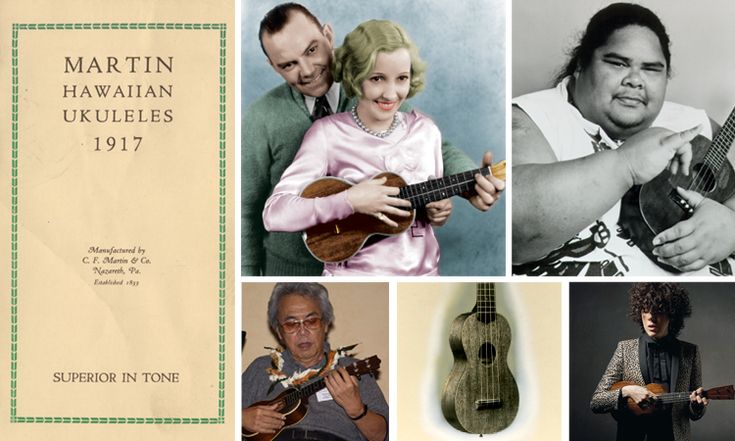
The ukulele is one of the most recognizable and loved instruments in modern music. Small in size but rich in sound, it has become a symbol of joy, simplicity, and cultural connection. To truly appreciate this instrument, it helps to understand the ukulele history and how it evolved from a regional Hawaiian instrument into a global musical favorite.
The story behind the ukulele is not just about music. It is about migration, cultural blending, craftsmanship, and the way sound travels across generations. In this article, we will explore the complete journey of the instrument, from its origins to its role in modern music scenes around the world.
This detailed guide on ukulele history will walk you through its roots, development, cultural importance, and modern evolution in a simple and engaging way.
The Origins of the Ukulele
Portuguese Influence and the Birth of the Instrument
The roots of the ukulele begin in the late 19th century. Portuguese immigrants from Madeira and the Azores arrived in Hawaii, bringing with them small string instruments like the machete, braguinha, and rajão. These instruments are widely considered the foundation of what would later become the ukulele.
Local Hawaiians were fascinated by the sound and craftsmanship of these instruments. Skilled Hawaiian luthiers began adapting them, modifying the design and structure to better suit local musical traditions.
This cultural exchange is a key part of ukulele history, marking the moment when a European instrument began transforming into something entirely new.
The Hawaiian Innovation
The Hawaiian adaptation of the instrument led to a unique version that was smaller, lighter, and easier to play. The name “ukulele” is often translated as “jumping flea,” possibly referring to the quick movement of the player’s fingers on the strings.
King David Kalākaua, the last king of Hawaii, played a major role in promoting Hawaiian arts, including music. During his reign, the ukulele gained royal attention and became an important part of Hawaiian cultural identity.
This period is often considered the true birth of the modern ukulele, making it a central milestone in ukulele history.
The Rise of the Ukulele in Hawaiian Culture
Royal Endorsement and Cultural Identity
During the late 1800s, the ukulele became closely associated with Hawaiian royal courts. It was used in traditional chants, dances, and ceremonial music. This royal endorsement helped elevate the instrument’s status across the islands.
As Hawaiian music gained structure and recognition, the ukulele became a defining sound of the region. It was no longer just an imported adaptation but a cultural symbol of Hawaii itself.
Early Craftsmanship and Design Evolution
Early ukuleles were handcrafted using native Hawaiian woods like koa, which contributed to their warm and rich tone. Builders experimented with size, string types, and tuning methods, gradually standardizing the instrument.
This early craftsmanship phase is a crucial chapter in ukulele history, as it established the foundation for modern ukulele design.
The Ukulele Goes Global
The 1915 Panama-Pacific Exposition
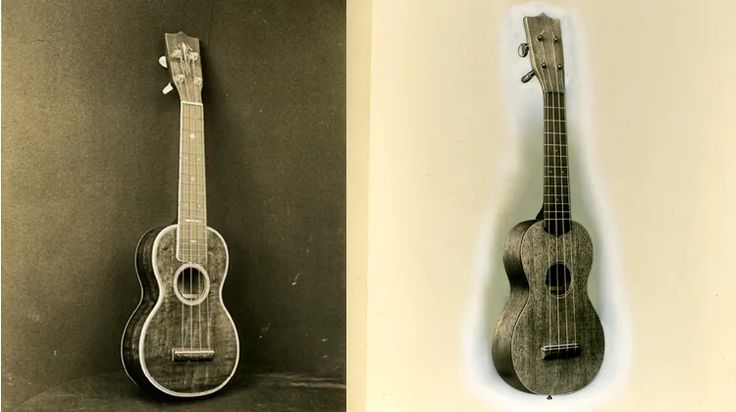
One of the most important turning points in ukulele history was the Panama-Pacific International Exposition held in San Francisco in 1915. Hawaiian musicians performed at the event, introducing the ukulele to mainland America.
The instrument quickly captured attention for its cheerful tone and simple playability. It became a novelty item, and demand grew rapidly in the United States.
The Jazz Age and Popular Music Boom
During the 1920s and 1930s, the ukulele became a popular instrument in American jazz and pop music. It was affordable, portable, and easy to learn, making it especially appealing during the economic hardships of the Great Depression.
Musicians used it in vaudeville performances, radio shows, and early recordings. This era marked a significant expansion in ukulele history, as it transitioned from a Hawaiian cultural instrument to a mainstream musical tool.
The Ukulele in the Mid-20th Century
Decline and Competition with Guitar Popularity
By the mid-20th century, the ukulele faced competition from the rising popularity of the guitar. Electric guitars, in particular, dominated the music scene, especially in rock and roll.
As a result, interest in the ukulele declined in many parts of the world. However, it never disappeared entirely. It remained a cultural staple in Hawaii and continued to be used in folk and educational music programs.
Television and Pop Culture Appearances
Despite its decline in mainstream popularity, the ukulele occasionally reappeared in pop culture. Television shows, comedy acts, and novelty performances kept the instrument alive in public awareness.
These appearances helped preserve ukulele history during a period when the instrument was less dominant in the music industry.
The Ukulele Revival
The Late 20th Century Comeback
The ukulele experienced a revival in the late 20th century. Musicians and educators began rediscovering its charm and simplicity. Schools started using it as a teaching tool because it was easy for beginners to learn basic chords.
Folk musicians and indie artists also embraced the ukulele, giving it a fresh identity in modern music.
This revival phase is an important chapter in ukulele history, showing how traditional instruments can regain popularity in new cultural contexts.
Jake Shimabukuro and Modern Recognition
One of the most influential figures in modern ukulele music is Jake Shimabukuro. His innovative playing style demonstrated that the ukulele was capable of complex, expressive, and powerful music.
His viral performances introduced millions of people to the instrument and sparked renewed global interest.

The Ukulele in the Digital Age
Social Media and Viral Music Trends
In the 21st century, platforms like YouTube, TikTok, and Instagram played a major role in spreading ukulele music. Cover songs, tutorials, and viral performances helped introduce the instrument to younger audiences.
The accessibility of the ukulele made it ideal for online content creation. This digital exposure added a new dimension to ukulele history, making it one of the most internet-friendly instruments.
Music Education and Accessibility
Today, the ukulele is widely used in schools and music programs around the world. Its simple structure makes it an excellent entry-level instrument for beginners.
Many educators appreciate how quickly students can learn songs, which builds confidence and encourages continued musical exploration.
Cultural Significance of the Ukulele
Symbol of Aloha and Hawaiian Heritage
The ukulele remains deeply connected to Hawaiian identity. It represents the spirit of aloha, hospitality, and joy. Even in modern tourism, it is often associated with Hawaiian music, beaches, and cultural performances.
Understanding this cultural importance is essential when studying ukulele history, as it goes beyond the instrument itself.
Global Adaptation and Musical Diversity
Today, the ukulele is used in many musical genres, including pop, folk, reggae, indie, and even classical arrangements. Artists around the world have adapted it into their own cultural styles.
This global adaptation shows how flexible and universal the instrument has become.
Ukulele Variations and Development
Common Types of Ukuleles
There are several main types of ukuleles, each with a different sound and size:
- Soprano ukulele
- Concert ukulele
- Tenor ukulele
- Baritone ukulele
Each variation has contributed to the evolution of the instrument and plays a role in modern ukulele history.
Materials and Modern Manufacturing
While traditional ukuleles were made from koa wood, modern versions use a wide range of materials, including mahogany, spruce, and synthetic composites.
These advancements have made ukuleles more affordable and widely available worldwide.
The Ukulele in Modern Music Industry
Pop Music and Global Artists
Many famous musicians have incorporated the ukulele into their songs. Its soft, bright tone adds emotional depth and simplicity to modern tracks.
This renewed popularity has strengthened ukulele history as an ongoing narrative rather than a completed timeline.
Film, TV, and Advertising
The ukulele is often used in media to create a warm, friendly, or nostalgic atmosphere. It appears in commercials, movie soundtracks, and television themes.
Its sound is instantly recognizable and emotionally appealing.
Learning the Ukulele Today
Beginner-Friendly Instrument
One of the biggest reasons for the ukulele’s popularity is how easy it is to learn. With only four strings and simple chord shapes, beginners can start playing songs quickly.
This accessibility continues to influence ukulele history, as it attracts new generations of players.
Online Tutorials and Learning Platforms
Thousands of online tutorials now make it easy to learn the ukulele from home. From beginner lessons to advanced techniques, digital education has transformed how people engage with the instrument.
The Future of the Ukulele
Continued Global Expansion
The ukulele shows no signs of fading in popularity. It continues to grow in schools, music festivals, and online communities.
As music trends evolve, the ukulele adapts, ensuring its relevance in future generations.
Innovation in Design and Sound
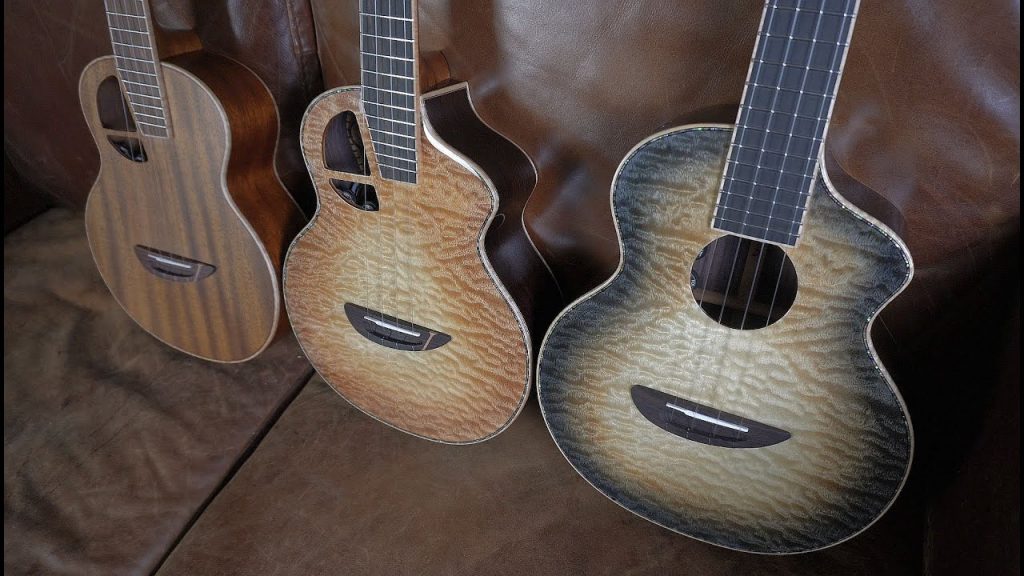
Modern manufacturers are experimenting with electric ukuleles, hybrid instruments, and advanced tuning systems. These innovations are expanding creative possibilities for musicians.
The future chapters of ukulele history are still being written today.
FAQ: Ukulele History Explained
1. Where did the ukulele originate?
The ukulele originated in Hawaii in the late 19th century, influenced by Portuguese string instruments.
2. Why is it called a ukulele?
The name is often translated as “jumping flea,” referring to the fast finger movement of players.
3. Who made the ukulele popular?
Early Hawaiian royalty helped popularize it, and later musicians in the U.S. spread its popularity worldwide.
4. Is the ukulele easy to learn?
Yes, it is widely considered one of the easiest string instruments for beginners.
5. What is the cultural importance of the ukulele?
It is a symbol of Hawaiian heritage and represents joy, community, and musical storytelling.
Conclusion
The journey of the ukulele is a remarkable example of cultural exchange and musical evolution. From its Portuguese-inspired beginnings to its role in Hawaiian royal courts, and finally its global popularity, the instrument has traveled a long and meaningful path.
Understanding ukulele history gives us more than just facts about an instrument. It reveals how music connects people across cultures and generations. Today, the ukulele continues to inspire musicians, educators, and beginners around the world with its simple beauty and timeless sound.
