






































Coastal Flood Advisory Means: A Complete Guide to Causes, Impacts, and Safety for Coastal Communities

Introduction
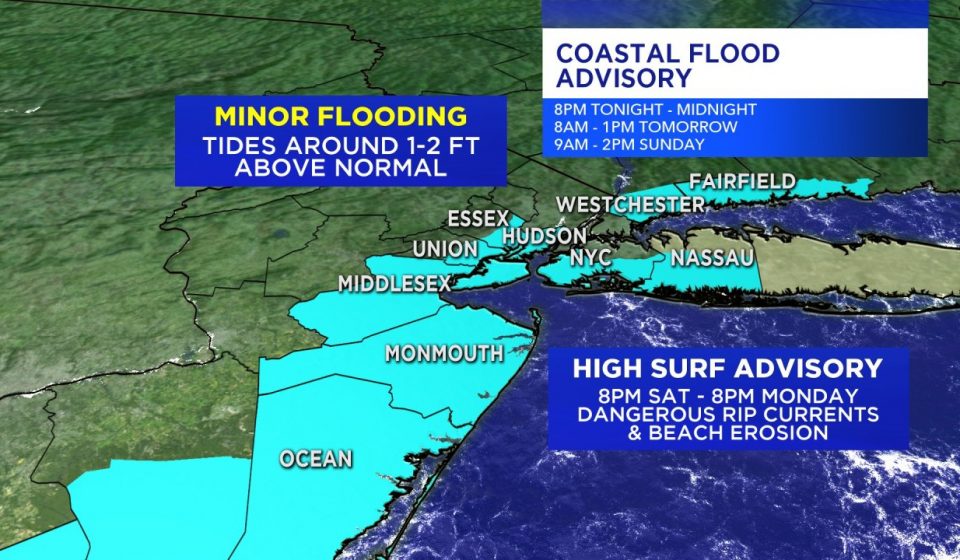
A coastal flood advisory is one of the most commonly issued weather alerts for people living near oceans, bays, and tidal waterways. It signals that minor flooding is expected or already occurring in coastal zones due to high tides, strong winds, storm activity, or rising sea levels.
Even though it is considered a lower-level alert, it still plays an important role in public safety and daily planning. Roads can become partially flooded, parking areas may be covered in water, and travel along coastal routes may become difficult. For residents, commuters, and businesses, understanding this type of advisory is essential for avoiding disruptions and staying prepared.
This article explains everything about a coastal flood advisory in a guest-posting style format, focusing on clarity, usability, and real-world understanding.
Understanding Coastal Flood Advisory and Why It Happens
A coastal flood advisory is issued when minor coastal flooding is expected in low-lying shoreline areas. It usually occurs when water levels rise slightly above normal high tide levels. While not severe enough to be classified as dangerous flooding, it can still impact transportation and daily activities.
These advisories are based on careful monitoring of tides, wind direction, offshore weather systems, and sea level conditions. Even without heavy rainfall, coastal flooding can still occur due to natural ocean movement and atmospheric pressure changes.
In many coastal regions, this type of advisory is becoming more frequent due to changing environmental patterns and gradual sea level rise.
Main Causes Behind Coastal Flood Advisory Conditions
Several natural forces contribute to the development of a coastal flood advisory. These factors often combine to push water levels higher than usual.
High Tides and Lunar Influence
Tides are one of the strongest natural forces affecting coastal water levels. During full moon and new moon phases, gravitational pull from the moon and sun creates higher-than-normal tides. When these align with certain weather conditions, coastal flooding becomes more likely.
Offshore Storm Systems
Storms that remain far out at sea can still impact coastal areas. Strong winds circulating around these systems push water toward shorelines, increasing wave heights and raising coastal water levels.
Onshore Wind Patterns
When winds consistently blow from sea to land, they push water inland. This can cause temporary flooding in beaches, roads, and waterfront areas even without rainfall.
Rising Sea Levels
Long-term sea level rise has made coastal flooding more common in many parts of the world. Areas that once rarely experienced flooding are now seeing frequent minor inundation, leading to more coastal flood advisory alerts.
Difference Between Advisory, Watch, and Warning
Understanding weather alert levels helps in responding correctly to coastal conditions.
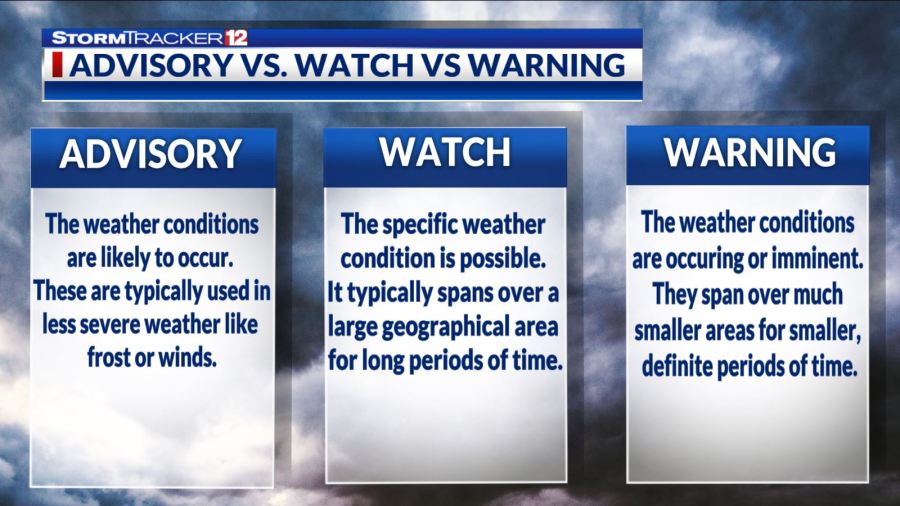
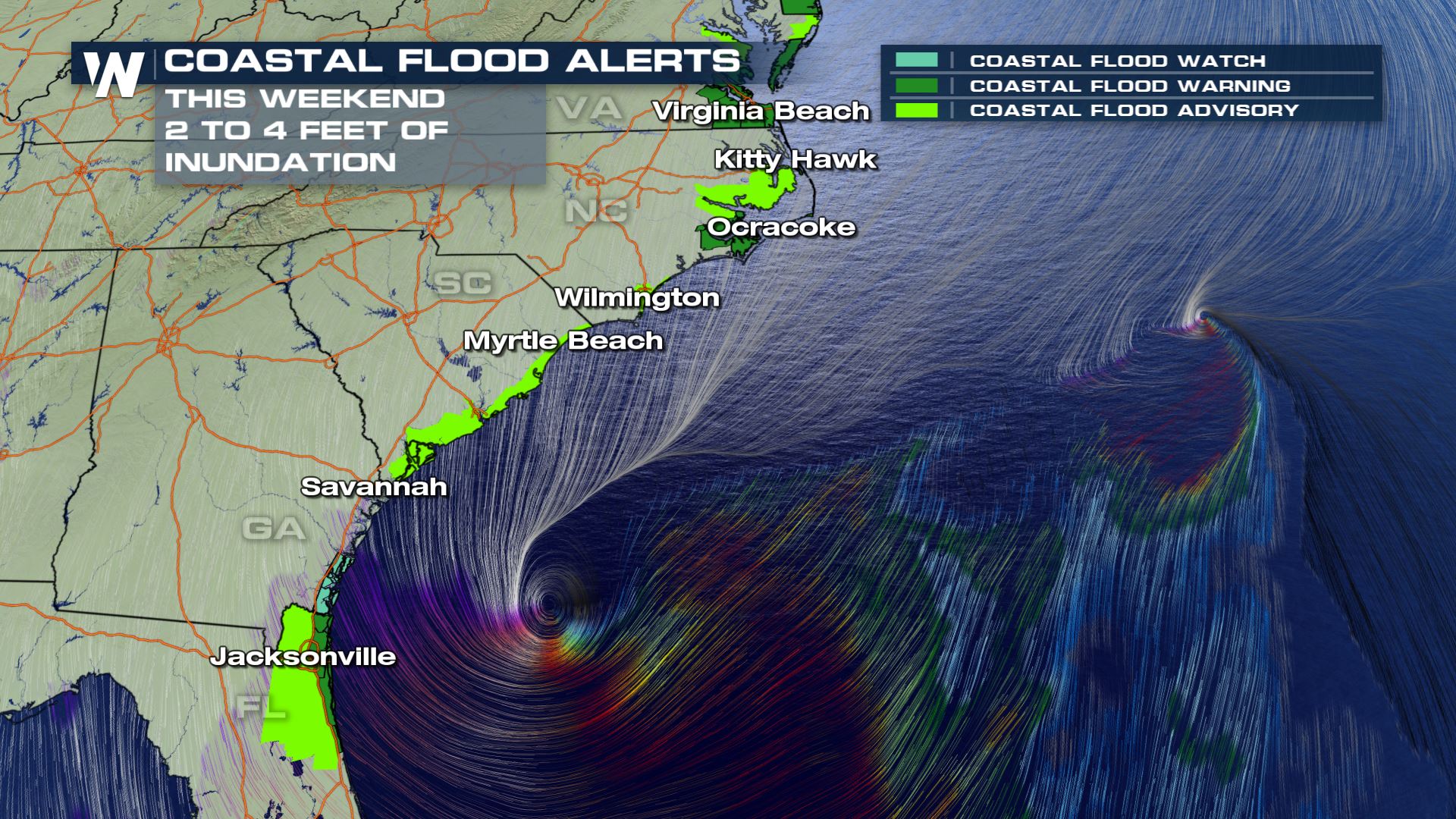
A coastal flood watch means conditions are favorable for flooding, but it has not started yet.
A coastal flood advisory means minor flooding is happening or expected. It usually causes limited but noticeable disruptions.
A coastal flood warning indicates active or imminent flooding that may pose serious safety risks.
Among these, a coastal flood advisory is the least severe, but it still requires attention and caution.
Areas Most Affected by Coastal Flood Advisory Events
Not all coastal locations are affected equally. Some areas are naturally more vulnerable due to elevation and geography.
Low-lying coastal roads are often the first to flood, especially during high tide events. Beachside parking areas may also become temporarily submerged.
Residential communities near sea level may experience water pooling in yards or driveways. Marina zones, harbor areas, and waterfront commercial districts are also commonly affected.
Tourist areas close to beaches may see reduced accessibility during advisory periods, impacting local activity and businesses.
Impacts of Coastal Flood Advisory on Daily Life
Although classified as minor flooding, the impacts of a coastal flood advisory can still be disruptive.
Transportation is often the most affected sector. Roads may become partially blocked or unsafe for driving, leading to detours and delays.
Property owners may experience repeated exposure to water in vulnerable areas, which can gradually affect structures and landscaping.
Local businesses near coastal zones may face reduced customer flow due to accessibility issues and safety concerns.
Even shallow floodwater can create hazards by hiding potholes, debris, or uneven surfaces, increasing risks for both pedestrians and vehicles.
Environmental Importance and Long-Term Trends
Frequent coastal flood advisory events are closely linked to environmental changes. Rising global sea levels contribute significantly to more frequent tidal flooding.
Shifts in weather patterns, including stronger storms and changing wind behavior, also play a role in pushing water further inland.
Over time, repeated minor flooding can weaken infrastructure, increase erosion, and strain drainage systems in coastal communities.
These trends highlight the importance of long-term planning and climate adaptation strategies for coastal regions worldwide.
Safety Measures During a Coastal Flood Advisory
When a coastal flood advisory is issued, simple precautions can help reduce risks and disruptions.
Avoid driving through flooded roads, even if water appears shallow. It is often deeper or more dangerous than it looks.
Choose alternate inland routes when traveling near coastal areas.
Stay updated with local weather reports and tide information, especially during storm seasons.
Move important items in homes or businesses away from ground level if flooding is expected.
Avoid walking near flooded shorelines due to unpredictable water movement and hidden hazards.
Preparing for Future Coastal Flood Events
Preparation is key for people living in coastal regions where flooding occurs regularly.
Monitoring tide charts helps identify when water levels are expected to rise. This allows better planning for travel and outdoor activities.
Having emergency supplies and backup plans ensures readiness during repeated flood events.
Improving drainage systems around properties can reduce water accumulation during high tides.
Local governments in many regions are also investing in infrastructure upgrades to better manage coastal flooding risks.
Why Coastal Flood Advisory Awareness Is Important
Even though it represents minor flooding, a coastal flood advisory is an important early warning system. It helps people make informed decisions about travel, safety, and property protection.
Ignoring these advisories can lead to unnecessary risks, especially for drivers or pedestrians in affected areas.
In many regions, these advisories also serve as indicators of broader environmental changes, encouraging communities to adopt better long-term coastal planning strategies.
Practical Tips for Coastal Residents and Travelers
People living in or visiting coastal areas can benefit from a few simple habits.
Avoid parking in low-lying coastal areas during high tide periods. Always check weather and tide forecasts before planning travel near the coast.
Keep drainage areas clear around homes and properties to prevent water buildup.
Stay aware of seasonal changes that may increase the likelihood of flooding.
Take every coastal flood advisory seriously, even if previous events seemed minor.
Frequently Asked Questions
What is a coastal flood advisory in simple words?
It is an alert that minor flooding is expected or occurring in coastal areas due to tides, winds, or weather conditions.
Is it dangerous?
It is usually not life-threatening, but it can still cause disruptions and minor property issues.
How long does it last?
It depends on tide cycles and weather conditions, typically lasting a few hours to a day.
Can it happen without storms?
Yes, high tides alone can cause flooding when combined with certain wind conditions.
Should people take it seriously?
Yes, because even minor flooding can affect safety and transportation.
Conclusion
A coastal flood advisory is an essential weather alert that helps coastal communities prepare for minor but impactful flooding events. While it is not considered severe, it still affects transportation, property, and daily routines.
Understanding its causes, effects, and safety measures helps reduce risks and improve preparedness. As environmental conditions continue to change, awareness of coastal flooding becomes increasingly important for both residents and travelers in coastal regions.
