


























































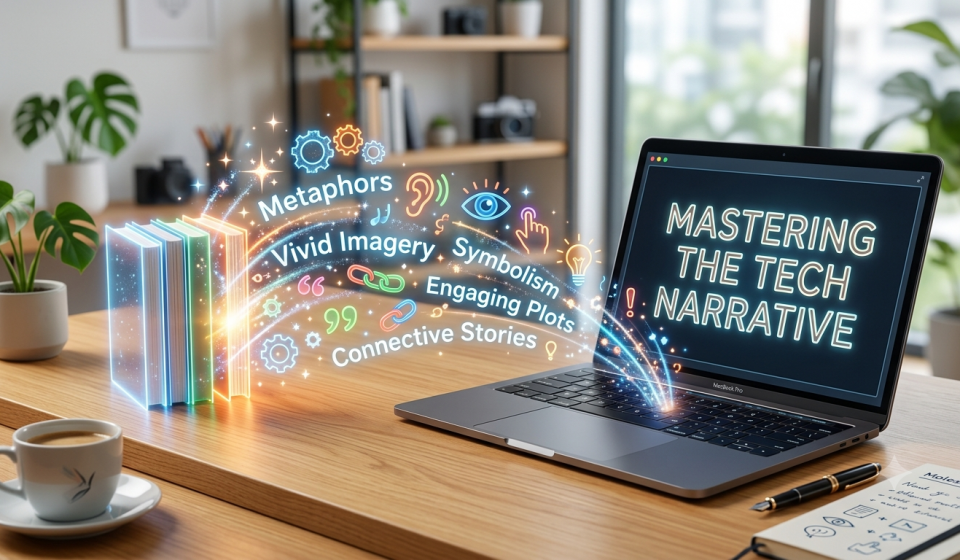

When you read a tech blog that is fun and easy to understand, a special kind of magic is at play. Good writers do not just share boring facts; they build great stories. The secret tools they use to turn dry facts into exciting reading are known as literary devices. When you use them correctly, these tools have the power to catch a reader’s attention and bring technical topics to life.
Whether you are writing a school project, a product review, or a cool tech article, knowing how to use these tools is a major superpower. Great writing is never just about sharing data; it is about making things fun to read. By learning the art of literary devices, you can make your tech blogs stand out so that visitors love to read every single word.
Why Good Tech Writers Need Simple Creative Tools
Technology solves real problems, but talking about it can sometimes feel robotic and boring. This is exactly where the smart use of literary devices comes in to save the day. Think of them like the cool graphics in a video game or the spices in a meal. They add the rhythm, color, and fun that make your words feel alive and human.
When an article uses literary devices in the right way, it helps the text stand out from the crowd. In a world where people scroll through phone screens quickly, creative writing helps keep their attention. It turns casual skimmers into real readers. By picking the right words, you can make a hard tech concept stick in someone’s mind for a very long time.
Simple Literary Devices Every Writer Should Know
You do not need to study for years or learn hundreds of hard words to write well. Instead, focusing on just a few basic, high-impact literary devices will give you the best results for your blogs and school projects.
Tech Metaphors and Easy Comparisons
Metaphors are the best tools for explaining tech. A metaphor explains a hard digital idea by comparing it directly to a normal thing we see every day. For example, explaining a cloud computer by comparing it to a giant network of digital filing cabinets is a smart way to use this literary device.
When you connect abstract code to real life, you instantly stop reader confusion. Instead of writing long paragraphs to explain how a system works, a single good metaphor does all the work for you.
Sensory Imagery in Tech Reviews
Good imagery is not just for storybooks; it works perfectly in gadget reviews too. To do this, you just need to talk about the five senses. Describing the loud, clicky sound of a gaming keyboard or the smooth, cool feel of a new phone makes the item feel real. Writers who use these specific literary devices know that showing a product is always better than just telling people about it.
Symbolism in the Digital World
While imagery talks about things you can touch, symbolism adds a deeper meaning to your tech stories. For example, an old, dusty computer screen can symbolize the slow past, while a fast new smartphone screen symbolizes a bright, modern future. Mixing in these types of literary devices gives your writing more depth, making people think about your ideas on a much higher level.

How to Mix Creative Elements into Tech Articles
You might think these writing tricks only belong in poetry class, but modern tech companies use them every day to keep people reading. Using literary devices in apps, email newsletters, and website pages is a great way to connect with your audience.
+-------------------------------------------------------------+
|          Benefits of Creative Tools in Tech Blogs           |
+-------------------+-----------------------------------------+
| Better Clarity    | Makes hard tech ideas easy to understand|
+-------------------+-----------------------------------------+
| Higher Interest   | Keeps tech readers on the page longer   |
+-------------------+-----------------------------------------+
| Great Memory      | Helps people remember software features |
+-------------------+-----------------------------------------+
When you use a fun comparison to explain a cybersecurity rule, or use matching sounds to make a headline catchy, you are using literary devices to help your reader. The trick is to keep things balanced. People love exciting text, but they do not like words that feel fake. Your creative choices should always make the tech easier to understand.
Smart Tricks for Keeping Your Readers Excited
Once you know the basics, you can try advanced choices to make your tech case studies and trend reports even more exciting to read.
Foreshadowing and Future Tech Trends
Foreshadowing means dropping small, smart hints about what is coming next in technology. When writers put these literary devices into a tech report, the final conclusion makes perfect sense to the reader. It builds up excitement and keeps tech fans reading all the way to the last sentence.
Irony and Contrast in Tech Stories
Irony happens when the actual result is the exact opposite of what people expected—like a giant security company getting hacked because of a weak password. Contrast means putting two totally opposite things side by side, like showing a giant 1980s computer right next to a tiny modern microchip. Using these specific literary devices creates great tension in your writing, making your main point much stronger.
Simple Rules for Cleaning Up Your Writing
The best writers know how to make creative choices look totally easy. When people read good literary devices, they should never feel like the author is trying too hard to look smart. The words must feel smooth and flow naturally from one point to the next.
Always read your blog out loud when you are editing. If a metaphor or description sounds weird when you say it, it will probably confuse your reader too. Cut out extra words and make sure every single one of your literary devices helps explain the main point of your post. Great tech writing is all about balance, clear words, and keeping things fun for the reader.
Frequently Asked Questions
What are the easiest examples of literary devices for tech blogs?
The easiest examples are metaphors, simple similes, contrast, and sensory imagery. These tools are perfect for breaking down hard software ideas into everyday examples that anyone can understand.
Can I use literary devices in formal coding guides?
Yes. While guides must be very clear, using simple analogies and clear structural metaphors helps developers understand how a system works much faster.
How do literary devices help a website get more visitors?
By making hard topics easy and exciting to read, these tools keep visitors on your website for a longer time. This sends good signals to search engines, which helps your blog show up higher in search results.
What is the difference between a literary element and a literary device?
A literary element is a core part of a story that you must have, like the setting or the characters. A literary device is an extra style tool that a writer chooses to use to make their points clearer or more exciting.
Conclusion
Learning how to use literary devices is a great step that changes how you write about technology. These tools are not just boring words from school textbooks; they are the true secret to great storytelling in the digital world. By putting imagery, metaphors, and sharp contrasts into your tech posts, you create a fun experience for your audience. Start with small steps, try new tools, and watch your writing turn into an exciting masterpiece that visitors love to read.