


























































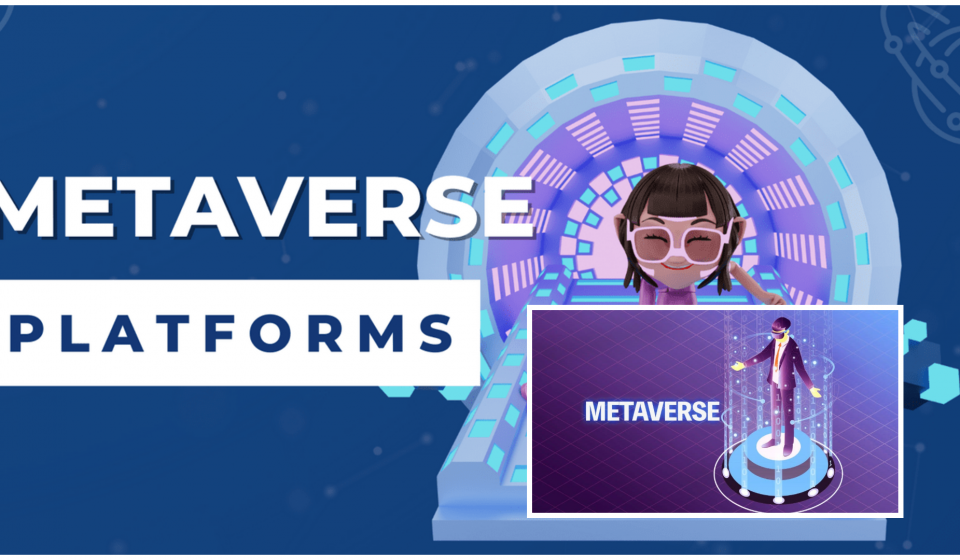

The internet has gone through several major transformations over the past three decades. From static websites and social media networks to cloud computing and artificial intelligence, each innovation has changed the way people connect, communicate, and conduct business online. Today, another digital revolution is taking shape through Metaverse platforms.
No longer limited to gaming enthusiasts or technology innovators, the metaverse is becoming a practical ecosystem where individuals, businesses, creators, educators, and brands interact in immersive virtual environments. As virtual reality (VR), augmented reality (AR), blockchain technology, and artificial intelligence continue to advance, the metaverse is rapidly evolving into a new layer of the digital economy.
In this article, we’ll explore what Metaverse platforms are, why they matter, how businesses are using them, and what the future holds for this emerging technology.
Understanding Metaverse Platforms
Metaverse platforms are immersive digital environments where users can interact with each other through avatars in shared virtual spaces. Unlike traditional websites or social media applications, these platforms provide persistent, interactive worlds where people can work, socialize, play games, attend events, shop, and create content.
Most modern Metaverse platforms integrate several advanced technologies, including:
- Virtual Reality (VR)
- Augmented Reality (AR)
- Blockchain Technology
- Artificial Intelligence (AI)
- Digital Assets and NFTs
- Cloud Computing
- Real-Time 3D Environments
The ultimate goal is to create interconnected virtual experiences that feel as natural and engaging as real-world interactions.
Why Metaverse Technology Is Growing So Quickly
The popularity of Metaverse platforms has increased dramatically over the last few years due to several key factors.
Rising Demand for Immersive Experiences
Modern users expect more than simple web pages and social feeds. Interactive digital experiences have become increasingly attractive, especially among younger generations who spend significant time online.
Advancements in Hardware
VR headsets, AR glasses, and powerful mobile devices have become more affordable and accessible, making immersive experiences available to a broader audience.
Expansion of the Creator Economy
Content creators, designers, developers, and entrepreneurs are finding new ways to generate income through virtual goods, experiences, and services offered within Metaverse platforms.
Growth of Digital Ownership
Blockchain technology enables users to own virtual land, digital collectibles, and unique assets. This ownership model has become a major driver behind the adoption of many Metaverse platforms.
Key Features That Define Modern Metaverse Ecosystems
Although each platform offers unique experiences, successful Metaverse platforms typically share several core characteristics.
Persistent Virtual Worlds
These digital environments continue operating even when individual users log off. The world evolves continuously, creating a dynamic and realistic experience.
Avatar-Based Interaction
Users participate through customizable avatars, allowing real-time communication and engagement with other participants.
User-Generated Content
Many platforms empower users to build virtual spaces, games, events, and digital products, encouraging creativity and innovation.
Digital Commerce
Virtual marketplaces allow users to buy, sell, and trade assets, creating thriving digital economies within Metaverse platforms.
Social Connectivity
Community interaction remains a central component, enabling friendships, networking opportunities, and collaborative experiences.
Leading Metaverse Platforms Transforming the Industry
Several companies have established themselves as pioneers in the virtual world ecosystem.
Decentraland
Decentraland is a decentralized virtual world built on blockchain technology. Users can purchase virtual land, create experiences, and participate in a community-driven economy.
The Sandbox
The Sandbox combines gaming, digital ownership, and user-generated content. It has attracted major brands, creators, and investors interested in virtual real estate and NFTs.
Roblox
Originally launched as a gaming platform, Roblox has evolved into one of the most influential Metaverse platforms by providing tools for creators to build immersive experiences.
Horizon Worlds
Developed by Meta, Horizon Worlds focuses on social interaction and virtual collaboration through VR technology.
Fortnite
While primarily known as a battle royale game, Fortnite has expanded into virtual concerts, live events, and immersive social experiences that resemble many aspects of the metaverse.
About the Author
| Author Bio | Details |
|---|---|
| Name | Naveed Khatri |
| Profession | Technology Writer, Cybersecurity Researcher, and AI Enthusiast |
| Website | https://moderntrendsnow.com/ |
| Expertise | Cybersecurity, Emerging Technologies, Artificial Intelligence (AI), Digital Innovation |
| Social Profiles | LinkedIn, Medium, Reddit |
Business Opportunities in the Metaverse
Organizations across industries are increasingly exploring how Metaverse platforms can support growth and innovation.
Enhanced Customer Engagement
Brands can create interactive showrooms, virtual stores, and immersive product demonstrations that provide memorable customer experiences.
Virtual Events and Conferences
Companies are hosting product launches, trade shows, networking events, and educational seminars within virtual environments.
Employee Collaboration
Remote teams can meet in digital workspaces that simulate face-to-face interaction more effectively than traditional video conferencing.
Training and Education
Businesses and educational institutions use simulations to provide realistic learning experiences that improve engagement and knowledge retention.
As technology continues to mature, the business applications of Metaverse platforms are expected to expand significantly.
The Role of Blockchain Technology
Many Metaverse platforms rely on blockchain infrastructure to support digital ownership and secure transactions.
Blockchain provides several advantages:
- Transparent transactions
- Ownership verification
- Decentralized governance
- NFT integration
- Cryptocurrency payments
- Enhanced security
These features help establish trust and create sustainable digital economies within virtual worlds.
Challenges Facing Metaverse Adoption
Despite growing interest, several challenges remain.
High Entry Costs
Premium VR equipment can still be expensive for many users.
Privacy and Security Concerns
As users spend more time in virtual environments, protecting personal data becomes increasingly important.
Interoperability Issues
Many Metaverse platforms operate independently, limiting the ability to move assets and identities across different ecosystems.
Technical Limitations
Internet speed, hardware performance, and platform scalability continue to influence user experiences.
Addressing these challenges will be essential for widespread adoption.
Future Trends to Watch
The future of Metaverse platforms looks promising, with several innovations expected to accelerate growth.
Artificial Intelligence Integration
AI-powered virtual assistants, realistic avatars, and personalized experiences will become increasingly common.
Mixed Reality Experiences
The combination of AR and VR technologies will blur the line between physical and digital environments.
Enterprise Adoption
More organizations are expected to integrate Metaverse platforms into their business operations, customer engagement strategies, and employee training programs.
Expansion of Digital Economies
Virtual jobs, creator-driven businesses, and digital entrepreneurship opportunities will continue to grow.
How to Get Started with the Metaverse
If you’re interested in exploring Metaverse platforms, consider the following steps:
- Identify your goals and interests.
- Research available platforms.
- Create an avatar and profile.
- Participate in community events.
- Explore virtual marketplaces.
- Learn about digital assets and ownership.
- Stay informed about emerging trends.
Starting small allows users to gain valuable experience while understanding how these virtual ecosystems function.
Recent Posts
1. Basic Coding Concepts: Everyone Should Know Before Writing Their First Line of Code
2. Why ABT Electronics Continues to Win Customer Trust
3. Why Hardware Still Drives the Digital World
4. Why Refixs2.5.8a Is Creating Buzz Among Digital Users
5. Literary Devices: How to Use Creative Writing Secrets for Great Tech Blogs
Frequently Asked Questions
What are Metaverse platforms?
Metaverse platforms are immersive digital environments where users interact through avatars, participate in activities, and engage with virtual communities.
Are Metaverse platforms only for gaming?
No. They support business collaboration, education, entertainment, commerce, networking, and social interaction in addition to gaming.
Do I need virtual reality equipment?
Not necessarily. Many Metaverse platforms can be accessed through computers, smartphones, and web browsers.
How do users make money in the metaverse?
Users can earn income through virtual real estate, digital products, content creation, events, consulting, and various creator economy opportunities.
What industries are benefiting most?
Gaming, education, healthcare, retail, real estate, entertainment, and corporate training are among the leading sectors adopting metaverse technology.
Conclusion
The evolution of Metaverse platforms represents one of the most significant technological shifts of the modern internet era. By combining immersive experiences, digital ownership, social interaction, and innovative business opportunities, these virtual ecosystems are redefining how people engage online.
While challenges remain, ongoing advancements in VR, AR, AI, and blockchain technology continue to push the industry forward. For businesses, creators, investors, and everyday users, understanding the metaverse today could provide a valuable advantage tomorrow.
As the digital world becomes increasingly immersive, the influence of Metaverse platforms is likely to extend across nearly every aspect of modern life, making now the ideal time to explore the opportunities they offer.