
























































The demand for intelligent machines is growing faster than ever, and Robotics programming sits at the center of this technological revolution. From self-driving vehicles and warehouse automation to medical devices and space exploration, robots are transforming how industries operate.
As companies invest heavily in automation and artificial intelligence, Robotics programming has become one of the most valuable technical skills for developers, engineers, and technology enthusiasts. It combines software development, engineering principles, and problem-solving to create machines capable of performing tasks with precision and efficiency.
What Is Robotics programming and Why Does It Matter
At its core, Robotics programming involves designing, coding, and controlling robots so they can perform specific actions autonomously or with human guidance. A robotics programmer writes algorithms, integrates sensors, and creates software that enables machines to interact with their environment.
The importance of this field cannot be overstated. According to industry reports, the global robotics market is expected to exceed hundreds of billions of dollars within the next decade. Businesses are adopting automated systems to improve productivity, reduce errors, and address labor shortages.
The growing dependence on automation means professionals with expertise in robot software development are becoming increasingly valuable across nearly every sector.
Core Skills Required for Robotics programming
Success in this field requires a blend of technical and analytical abilities. A strong foundation in programming languages such as Python, C++, and Java is essential. Understanding mathematics, particularly linear algebra and calculus, also helps developers create efficient algorithms.
Additional skills that make professionals stand out include:
- Algorithm design and optimization
- Machine learning and artificial intelligence fundamentals
- Sensor integration and data processing
- Computer vision techniques
- Problem-solving and debugging abilities
- Knowledge of operating systems and embedded systems
Communication and teamwork are equally important because robotic systems are often built by multidisciplinary teams that include engineers, designers, and data scientists.
Understanding Sensors and Actuators
Robots rely on sensors to gather information from the environment. Cameras, proximity sensors, and temperature detectors provide real-time data. Actuators convert software instructions into physical movement, enabling robots to perform tasks accurately.
Developers who understand both hardware and software can create systems that react intelligently to changing conditions.
The Role of Artificial Intelligence
Modern robots increasingly depend on artificial intelligence to make decisions. Machine learning algorithms allow systems to identify patterns, recognize objects, and improve performance through experience.
This convergence of robotics and AI is creating new opportunities in industries ranging from healthcare to transportation.
| Author Bio | Details |
|---|---|
| Name | Naveed Khatri |
| Profession | Technology Writer, Cybersecurity Researcher, and AI Enthusiast |
| Website | https://moderntrendsnow.com/ |
| Expertise | Cybersecurity, Emerging Technologies, Artificial Intelligence (AI), Digital Innovation |
| Social Profiles | LinkedIn, Medium, Reddit |
How Robotics programming Is Transforming Industries
Automation is no longer limited to manufacturing plants. Today, intelligent machines are reshaping almost every major industry.
Healthcare
Robotic surgical systems assist doctors with minimally invasive procedures, improving precision and reducing recovery times. Rehabilitation robots also help patients regain mobility after injuries.
Manufacturing
Factories use industrial robots for assembly, quality control, packaging, and material handling. Automated systems can work continuously while maintaining consistent accuracy.
Agriculture
Farmers are using autonomous machines to monitor crops, plant seeds, and harvest produce. These technologies help improve efficiency and reduce waste.
Logistics and Warehousing
E-commerce companies rely on autonomous systems for inventory management and order fulfillment. Robots can navigate warehouses, identify products, and streamline operations.
As industries continue embracing automation, demand for professionals who can build and maintain these systems is expected to rise significantly.
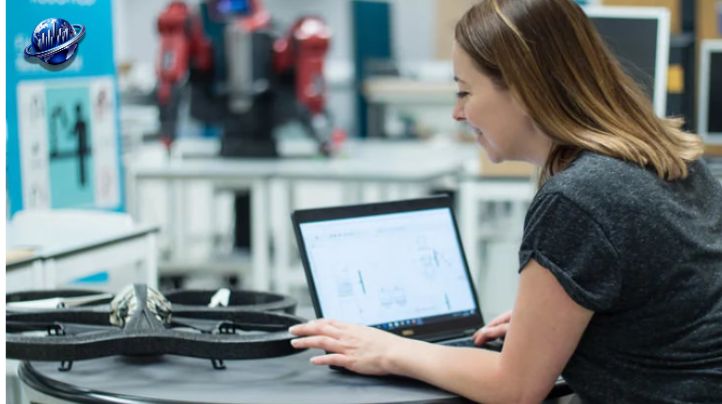
Popular Languages and Tools Used in Robotics programming
Developers use a variety of tools and frameworks depending on project requirements.
Python
Python is widely appreciated for its readability and extensive libraries. It is commonly used for artificial intelligence, computer vision, and rapid prototyping.
C++
C++ delivers exceptional performance and low-level control, making it ideal for real-time robotic applications where speed and efficiency are critical.
ROS
The Robot Operating System, commonly known as ROS, provides frameworks and tools that simplify robot development. It supports communication between components and accelerates software deployment.
Computer Vision Libraries
OpenCV and similar frameworks help robots process images, recognize objects, and understand their surroundings.
Mastering these technologies provides developers with a competitive advantage and opens doors to exciting career opportunities.
How to Start Learning Robotics programming
Beginning your journey may feel overwhelming, but following a structured approach can make the process manageable.
Learn Programming Fundamentals
Start by building proficiency in Python or C++. Understanding variables, loops, functions, and data structures provides a solid foundation.
Study Mathematics
Concepts like matrices, vectors, and probability play important roles in robot movement and perception.
Explore Electronics
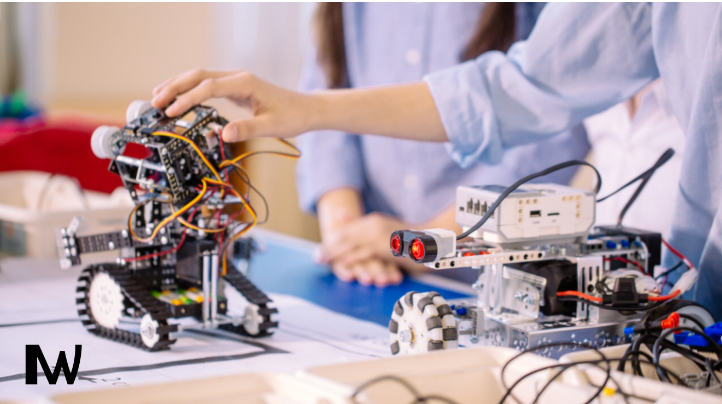
Basic knowledge of sensors, motors, microcontrollers, and circuits helps you understand how software interacts with physical systems.
Build Practical Projects
Hands-on experience accelerates learning. Consider creating simple projects such as:
- Obstacle-avoidance robots
- Line-following vehicles
- Smart home automation systems
- Voice-controlled robotic devices
Join Communities
Participating in online communities, coding forums, and robotics competitions allows learners to exchange ideas and gain practical insights from experienced professionals.
Consistency matters more than speed. Even small projects can build confidence and improve problem-solving abilities over time.
Common Challenges in Robotics programming
Developing intelligent machines presents unique obstacles that require creativity and patience.
Hardware Limitations
Computational resources, battery life, and sensor accuracy can restrict system performance.
Real-World Uncertainty
Robots often operate in unpredictable environments. Unexpected obstacles and changing conditions can affect behavior and require sophisticated algorithms.
System Integration
Combining software, electronics, and mechanical components is inherently complex. Small errors in one subsystem can impact the entire project.
Safety and Reliability
Robotic systems must operate safely, especially in healthcare, transportation, and industrial environments where failures can have serious consequences.
Despite these challenges, advancements in computing power, artificial intelligence, and cloud technologies continue making intelligent automation more accessible and effective.
Career Opportunities in the Robotics Industry
The expansion of automation has created opportunities across multiple disciplines. Popular career paths include:
- Robotics Software Engineer
- Automation Engineer
- Embedded Systems Developer
- Computer Vision Engineer
- Machine Learning Engineer
- Autonomous Vehicle Developer
- Research Scientist
Professionals in these roles often enjoy competitive salaries and opportunities to work on cutting-edge technologies that shape the future.
Recent Post
- Why ABT Electronics Continues to Win Customer Trust
- Why Hardware Still Drives the Digital World
- Why Refixs2.5.8a Is Creating Buzz Among Digital Users
- Literary Devices: How to Use Creative Writing Secrets for Great Tech Blogs
- Motivation Gadgets that can Completely Transform your Daily Workflow and Creative Drive
Frequently Asked Questions
Is Robotics programming hard to learn?
Robotics programming can seem challenging initially because it combines coding, mathematics, electronics, and engineering concepts. However, beginners can master it through structured learning and hands-on projects.
How long does it take to become proficient?
Learning speed depends on your background and study consistency. Many learners build foundational skills within six to twelve months of dedicated practice.
Which programming language should beginners learn first?
Python is often recommended because of its simple syntax and extensive ecosystem of libraries that support automation and artificial intelligence projects.
Do I need an engineering degree?
No. Many successful developers are self-taught or come from computer science backgrounds. Practical experience and strong projects often matter as much as formal education.
What industries hire robotics professionals?
Manufacturing, healthcare, agriculture, logistics, aerospace, automotive, and research organizations actively seek professionals with automation expertise.
Is robotics a good career for the future?
Yes. Growing investments in automation and artificial intelligence suggest strong long-term demand for skilled professionals who can design and maintain intelligent systems.
Conclusion
Robotics programming is rapidly evolving into one of the most influential skills of the digital era. As automation expands across industries, professionals who understand software development, artificial intelligence, and robotic systems will play a critical role in shaping future innovations. Whether you are a student, developer, or technology enthusiast, now is an excellent time to begin building practical skills and exploring opportunities in this exciting field.