

























































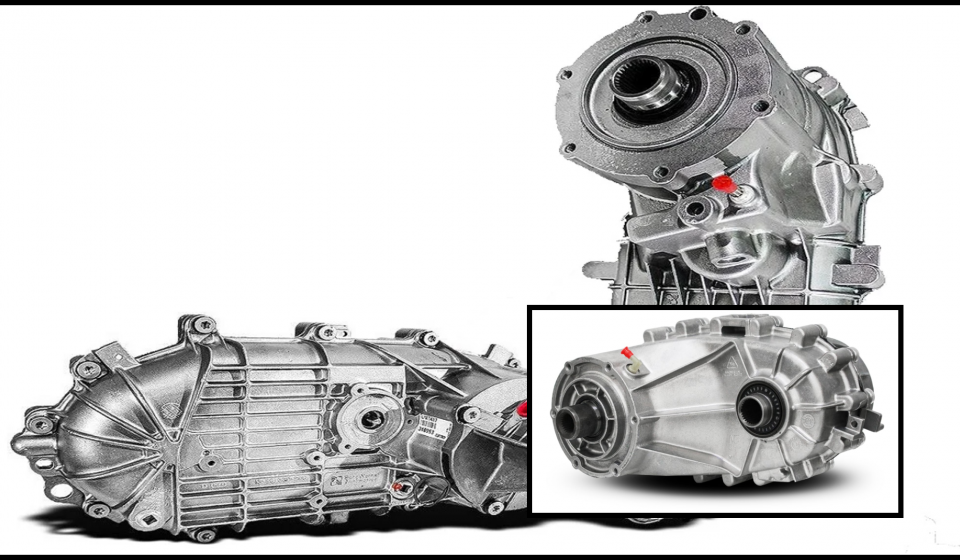
Transfer Case: Understanding its function, types, maintenance, and role in modern drivetrain systems

Introduction
A vehicle’s performance depends heavily on how efficiently it transfers engine power to the wheels. One of the most important components responsible for this process in four-wheel-drive and all-wheel-drive vehicles is the Transfer Case. Although it often works silently in the background, it plays a central role in traction, stability, and control across different driving conditions.
This detailed guide explains how this system works, its types, common issues, maintenance practices, and why it remains essential in modern automotive engineering. The goal is to give you a clear, practical understanding without unnecessary complexity.
Understanding the role of a Transfer Case in vehicles
In simple terms, a Transfer Case is a mechanical unit that distributes power from the transmission to the front and rear axles. This allows a vehicle to operate in four-wheel-drive or all-wheel-drive mode.
In two-wheel-drive vehicles, power is sent to only one axle. However, in vehicles equipped with a Transfer Case, power can be shared between both axles, improving grip on slippery, uneven, or off-road surfaces.
This system is especially important in SUVs, pickup trucks, and off-road vehicles, where road conditions are not always predictable. It ensures better control when driving on snow, mud, sand, gravel, or steep terrain.
How power distribution works inside a Transfer Case
A Transfer Case receives rotational power from the transmission output shaft. Inside the unit, gears, chains, and shafts work together to redirect this power to both front and rear driveshafts.
When the driver selects a four-wheel-drive mode, the internal mechanism adjusts torque distribution. In some systems, the front and rear axles are locked together, while in others, power is dynamically adjusted depending on traction needs.
Modern systems often include electronic controls that automatically manage power distribution. This removes the need for manual engagement and improves driving comfort and safety.
The ability to manage torque efficiently is what makes the Transfer Case essential for vehicles that operate in both urban and off-road environments.
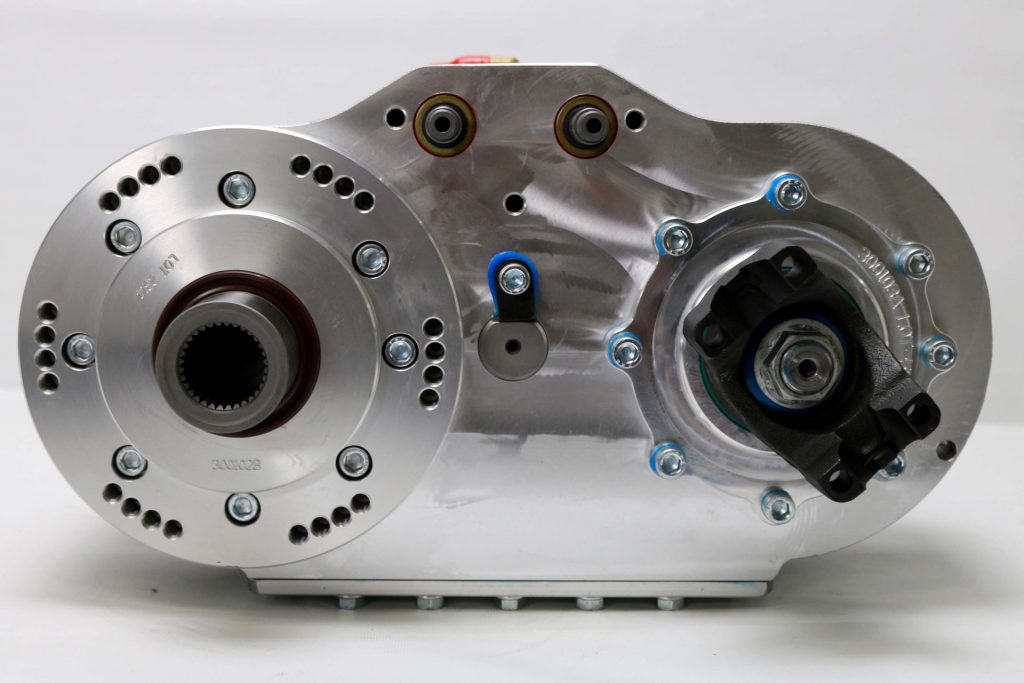
Different types of Transfer Case systems used today
There are several variations of this component, each designed for specific vehicle requirements and driving conditions.
Part-time systems
A part-time system requires manual activation of four-wheel drive. In normal driving conditions, the vehicle runs in two-wheel-drive mode to reduce wear and improve fuel efficiency.
When extra traction is needed, the driver engages four-wheel drive. In this mode, the system locks the axles together for maximum grip. However, it should not be used on dry paved roads for long periods, as it can cause drivetrain stress.
Full-time systems
A full-time system continuously distributes power to all four wheels. It uses a center differential that allows wheels to rotate at different speeds, especially when turning corners.
This design improves stability and handling on both smooth and rough surfaces. It is commonly used in modern SUVs and premium vehicles that prioritize comfort and safety.
Automatic electronic systems
Advanced vehicles now use electronically controlled systems that monitor wheel slip and road conditions in real time.
These systems adjust torque automatically without driver input. Sensors detect traction loss and instantly redistribute power to maintain stability. This makes driving safer and more efficient, especially in unpredictable weather conditions.
Importance of a Transfer Case in driving safety and performance
A properly functioning Transfer Case significantly improves vehicle stability. By distributing torque evenly or selectively, it reduces wheel slip and enhances grip.
On slippery roads, such as wet highways or icy terrain, this system helps prevent loss of control. In off-road conditions, it allows vehicles to climb steep hills, cross rocky paths, and move through deep mud more effectively.
Without this system, vehicles would struggle to maintain traction in challenging environments, making it an essential part of modern drivetrain engineering.
Common symptoms of Transfer Case problems
Like all mechanical systems, wear and tear can affect performance over time. Recognizing early warning signs can help prevent expensive repairs.
One common symptom is unusual noise coming from underneath the vehicle. Grinding, clicking, or humming sounds often indicate internal wear or low lubrication.
Another sign is difficulty switching between drive modes. If the system hesitates or fails to engage properly, internal components may be damaged.
Fluid leakage is also a serious issue. The internal fluid keeps gears lubricated and cool, and any leakage can quickly lead to overheating and damage.
Drivers may also experience vibrations during acceleration or while driving at steady speeds. This often indicates imbalance or worn internal bearings.
Addressing these issues early can prevent complete system failure and extend the lifespan of the drivetrain.
Maintenance practices for long-term reliability
Proper care plays a major role in keeping the system in good condition. One of the most important steps is maintaining correct fluid levels.
The internal fluid reduces friction and prevents overheating. Over time, this fluid degrades and must be replaced according to manufacturer recommendations.
Using the correct fluid type is equally important. Different systems require specific lubricants, and using the wrong one can reduce efficiency or cause damage.
Avoid unnecessary use of four-wheel-drive mode on smooth roads, especially in part-time systems. This can place excessive stress on internal components.
Regular inspections by a qualified technician can help detect small issues before they become serious failures.
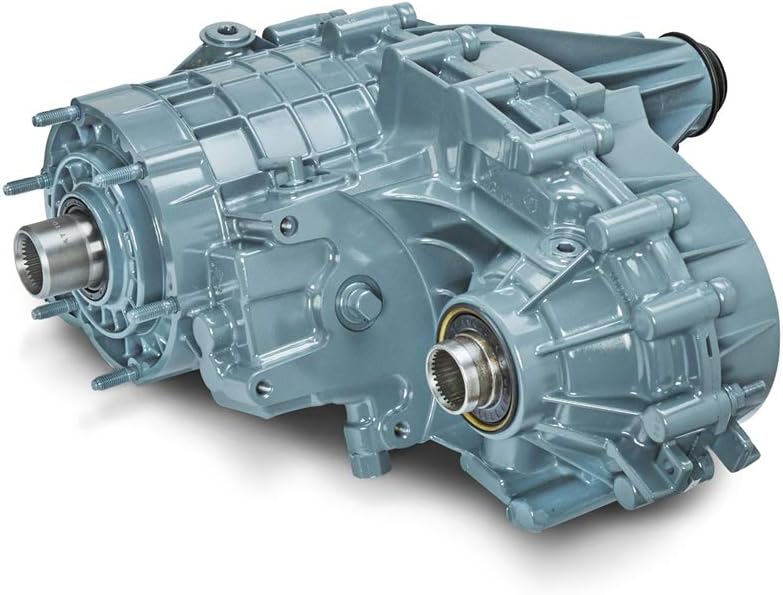
Lifespan and replacement considerations
The lifespan of this drivetrain component depends on driving habits, maintenance, and usage conditions. On average, it can last between 100,000 and 150,000 miles.
Vehicles that are frequently used off-road or in harsh environments may experience faster wear. On the other hand, well-maintained systems in normal driving conditions can last even longer.
Replacement costs vary based on vehicle type, system design, and whether the unit is new, rebuilt, or refurbished. Labor costs also contribute significantly to the overall expense.
Preventive maintenance is always more cost-effective than full replacement.
Impact of modern technology on Transfer Case systems
Modern automotive engineering has significantly improved drivetrain systems. Electronic sensors, advanced software, and automated torque management have made systems more efficient and responsive.
Today’s systems are lighter, smarter, and more fuel-efficient compared to older mechanical designs. They also improve safety by reacting instantly to changing road conditions.
These advancements have made vehicles more capable in both urban and extreme driving environments without requiring driver expertise in drivetrain management.
Frequently asked questions
What is the main purpose of a Transfer Case?
It distributes engine power to both front and rear axles, enabling four-wheel-drive or all-wheel-drive functionality.
Is it safe to drive with a failing system?
Driving with a damaged unit is not recommended because it can lead to complete drivetrain failure and unsafe handling.
How often should maintenance be performed?
Fluid changes are typically recommended every 30,000 to 60,000 miles depending on usage conditions.
Do all SUVs have this system?
Not all SUVs have the same setup. Some use front-wheel-drive platforms, while others include AWD systems with this component.
Conclusion
The Transfer Case is a vital part of modern drivetrain systems, ensuring balanced power delivery and improved traction across different terrains. From off-road adventures to daily commuting in harsh weather, it plays a key role in maintaining control and stability.
Understanding how it works, recognizing early warning signs, and following proper maintenance practices can significantly extend its life and improve vehicle performance. Whether in trucks or modern SUVs, this system remains a core element of automotive engineering.