























































Introduction
A Manila Envelope is one of the most practical tools used for document storage and organization in offices, schools, and professional environments. Even in a digital-first world, physical paperwork still plays an important role in business operations, legal work, and education. Because of this, reliable paper storage solutions remain necessary, and this is where the Manila Envelope continues to be widely used.
It helps keep documents safe, organized, and easy to transport. Whether it is contracts, reports, certificates, or official records, it provides a simple way to manage important paperwork without damage or confusion. Its durability, affordability, and simplicity make it a long-term essential in stationery supplies.
This guide explains everything about Manila envelopes, including their structure, uses, types, sizes, benefits, and practical tips for better document handling.
What is a Manila Envelope?
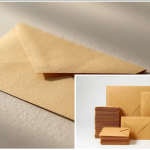
A Manila Envelope is a durable paper-based document holder made from craft paper. It is designed to store and carry papers safely without bending, tearing, or damaging them. Most versions come in a light brown shade and are commonly seen in offices and filing systems.
Unlike regular mailing envelopes, this type is thicker and stronger, making it suitable for multiple pages and important files. It is widely used in offices, law firms, schools, and government departments where document handling is part of daily work.
Its main purpose is simple: to keep documents protected, organized, and easy to manage.
Key Features of Manila Envelopes
The design of a Manila Envelope is focused on functionality and practicality. It includes strong craft paper construction that improves durability and prevents tearing. It is lightweight, making it easy to carry and store.
Most versions come with a secure flap closure to keep documents in place. Different size options are available, and some models include expandable sides for bulk storage. These features make it suitable for everyday document handling in professional environments.
Common Uses in Offices and Professional Work
A Manila Envelope is used across many industries because it adapts easily to different document needs.
In office environments, it is used as a file envelope for reports, contracts, invoices, and internal paperwork. Employees often use it to organize documents by project, client, or department.
In legal work, it is used to store case files, evidence documents, and confidential records. Proper organization helps maintain workflow efficiency and prevents misplacement of important papers.
In education, students and teachers use document envelopes for assignments, certificates, and printed materials. It helps keep academic documents clean and organized throughout the year.
It is also commonly used as a mailing envelope for sending documents securely without folding or damage during transport.
Different Sizes and Formats Available
Document storage envelopes come in multiple sizes to match different requirements.
Letter size is used for everyday office paperwork. Legal size is designed for official documents and legal files. Larger formats are used for presentations, reports, or multiple-page sets.
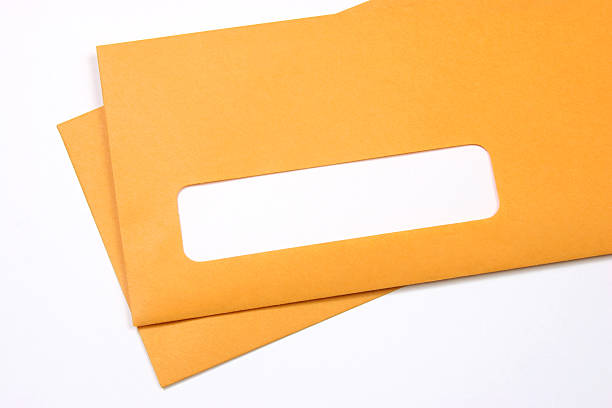
Expandable versions are also available, allowing more storage space without damaging the structure. Other variations include string and button closures for security, adhesive flaps for quick sealing, and windowed designs for easy labeling.
Benefits of Using Manila Envelopes
A Manila Envelope offers several practical advantages in professional environments.
It improves document organization by grouping related files together, making retrieval easier. It is also cost-effective and widely available, which makes it ideal for bulk office use.
It protects documents from dust, bending, and general damage. It is lightweight and easy to carry, making it useful for meetings, travel, or inter-office movement.
It is also highly versatile and used across industries like education, law, healthcare, and business administration.
How to Choose the Right Document Envelope
Choosing the right envelope depends on document type and usage. Size is the first factor to consider. It is better to select a slightly larger size to avoid folding papers.
Material strength is also important, especially for legal or sensitive documents. Closure type matters as well. Flap closures are good for quick access, while string closures provide better long-term security.
Expandable envelopes are ideal when handling bulk files or thick document sets.
Best Practices for Document Organization
Proper usage improves efficiency and document safety. Label each envelope clearly to make identification easier. Avoid overfilling as it can damage the structure. Store envelopes in dry, clean areas to maintain quality.
Using a simple filing system based on categories such as client name, project, or department helps keep everything organized and easy to find.
Role in Modern Office Systems
Even with digital tools, physical documents remain essential in many industries. Contracts, signed agreements, and official records often require printed copies.
A Manila Envelope continues to be useful because it provides a simple and reliable way to manage these documents without complexity. It supports both traditional and modern office workflows by keeping physical paperwork organized.
Environmental Benefits
Most kraft paper envelopes are recyclable and biodegradable. This makes them more environmentally friendly compared to plastic alternatives. Many businesses prefer them as part of their sustainability practices.
Common Mistakes to Avoid
Using the wrong size can lead to folded or damaged documents. Overfilling reduces durability. Poor labeling makes retrieval difficult. Storing in humid conditions can also weaken the material over time. Avoiding these mistakes improves long-term use.
Why This Simple Tool Still Matters
Even with advanced digital systems, physical paperwork is still widely used. Many industries rely on printed documents for legal, financial, and administrative processes.
This simple paper envelope remains relevant because it solves a basic need in a reliable and efficient way.
FAQ’s
What is a Manila Envelope used for?
A Manila Envelope is mainly used for storing and transporting important documents in a safe and organized way. It is commonly found in offices, schools, and legal environments where paperwork needs to stay protected and easy to manage.
Where is a Manila Envelope commonly used?
It is widely used in workplaces, educational institutions, and legal offices. Professionals rely on it for handling contracts, reports, certificates, and other important documents that need careful storage.
What sizes are available?
A Manila Envelope is available in several standard sizes, including letter and legal formats. These sizes are designed to fit different types of documents without folding or damage.
Can a Manila Envelope be reused?
Yes, depending on its condition, it can often be reused multiple times. If the envelope remains intact and clean, it can continue to be used for safe document storage.
Is it suitable for mailing documents?
Yes, it is commonly used for mailing important documents. Its sturdy design helps protect papers during transit and keeps them in good condition until delivery.
Conclusion
A Manila Envelope remains a practical and reliable tool for document management. Its strength, simplicity, and versatility make it suitable for everyday professional use.
Even in a digital world, it continues to play an important role in organizing physical paperwork across offices, schools, and institutions.
