








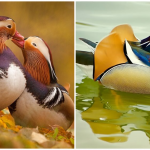
















































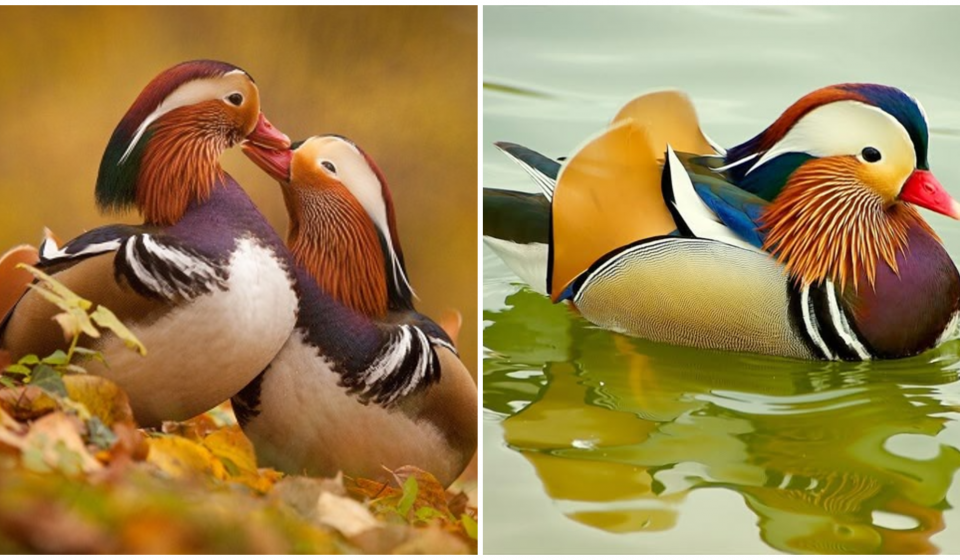

The Mandarin Duck is widely considered one of the most visually remarkable waterfowl species in the natural world. With its vivid plumage, unique nesting habits, and deep cultural symbolism, this bird attracts birdwatchers, photographers, and wildlife researchers across the globe. Native to East Asia, it is also known for its strong association with love and harmony in traditional symbolism.
Beyond its beauty, the Mandarin Duck plays an important ecological role in wetland ecosystems and continues to fascinate both scientists and nature enthusiasts.
Understanding the Mandarin Duck in the wild
Scientifically known as Aix galericulata, this species belongs to the Anatidae family, which also includes swans and geese. One of its most distinctive features is sexual dimorphism, where males and females differ greatly in appearance.
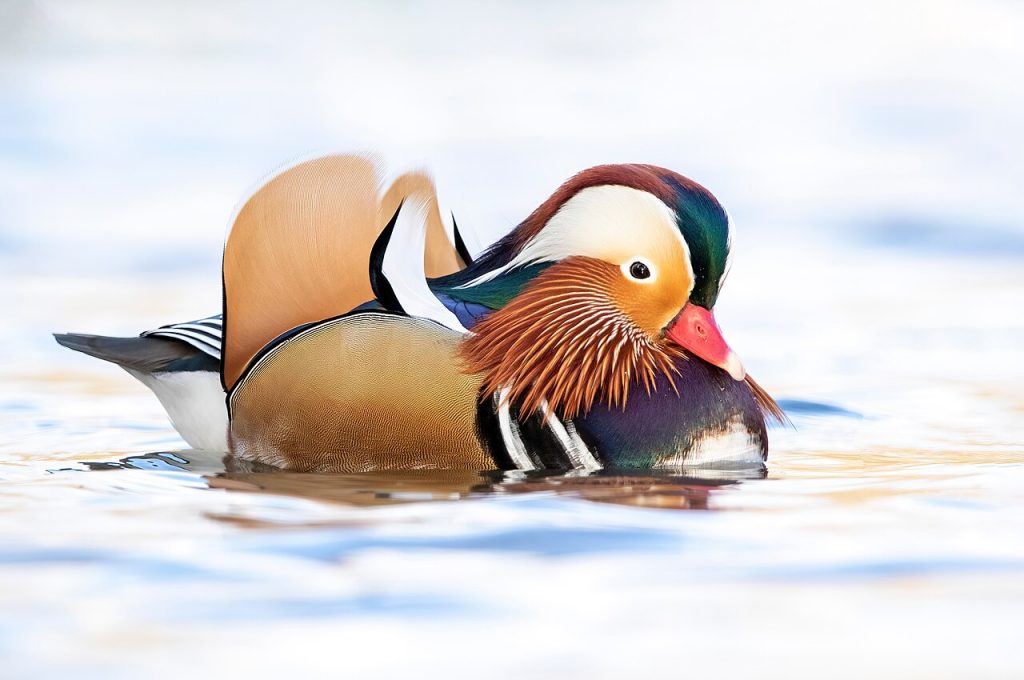
The male is famous for its vibrant colors and ornamental feathers, while the female has a more muted brown and grey appearance for camouflage during nesting. This contrast makes identification easy and adds to the bird’s scientific interest.
In natural ecosystems, this species contributes to wetland balance by supporting plant dispersal and maintaining biodiversity in aquatic environments.
Habitat and natural distribution
The Mandarin Duck thrives in calm freshwater habitats such as wooded lakes, slow-moving rivers, marshes, and forest wetlands. It prefers environments with dense vegetation and tree cover, which provide safety for nesting and feeding.
Its native range includes China, Japan, Korea, and parts of Russia. However, introduced populations now exist in several European regions, including the United Kingdom, where it has adapted successfully to suitable habitats.
This adaptability allows the species to survive in both wild forest ecosystems and semi-urban park environments with clean water sources.
Physical characteristics and identification
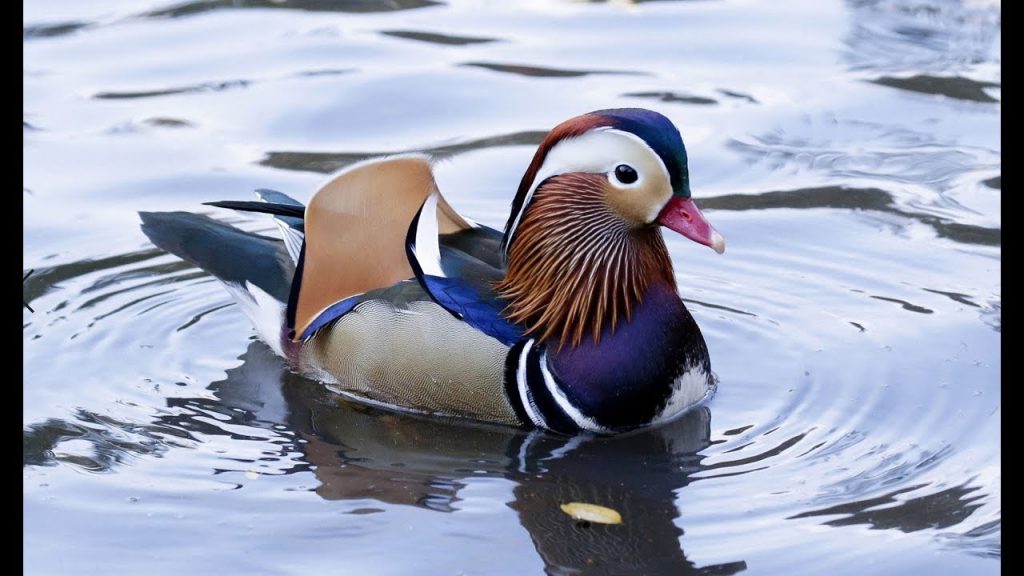
The male Mandarin Duck is one of the most colorful waterfowl species in the world. It features orange “sail-like” feathers, bright facial markings, and a combination of green, purple, and white tones. Its striking appearance makes it a favorite among wildlife photographers.
The female is more subtle in coloration, with soft grey-brown feathers and a distinctive white eye-ring, which helps with field identification.
One of the most unusual traits of this species is its ability to perch on trees. Unlike most ducks, it nests in tree cavities, often near water bodies, which provides protection from ground predators.
Feeding habits and daily behavior
The Mandarin Duck is an omnivorous feeder. Its diet includes seeds, aquatic plants, insects, and small invertebrates. It forages both on land and in shallow water, depending on seasonal food availability.
The bird is generally calm and non-aggressive. However, during breeding periods, males may become territorial as they compete for mates and nesting areas.
It is most active during early morning and late afternoon, making these the best times for observation in the wild.
Courtship and breeding behavior
One of the most fascinating aspects of this species is its elaborate courtship display. Males use head movements, wing displays, and posture changes to attract females during the breeding season.
Pairs often form seasonal monogamous bonds, which has contributed to the species’ symbolic association with love and partnership in East Asian culture.
Nesting typically occurs in tree cavities close to water. After hatching, ducklings leap from the nest and instinctively follow their mother to nearby water sources, a remarkable survival behavior in the wild.
Migration patterns and seasonal movement
The Mandarin Duck shows varied migration behavior depending on geographic location. Some populations migrate seasonally, while others remain sedentary in stable environments.
In colder regions, movement toward warmer, unfrozen water bodies is common during winter. In milder climates, the species may remain in one territory throughout the year.
This flexibility has contributed to its survival in both native and introduced habitats.
Cultural significance and symbolism
In East Asian traditions, the Mandarin Duck is widely regarded as a symbol of love, fidelity, and marital harmony. Its tendency to appear in pairs has strengthened this cultural interpretation over centuries.
It frequently appears in traditional art, embroidery, and decorative items, often representing lasting relationships and emotional balance.
This cultural symbolism has made the bird well known beyond biological studies, giving it a strong presence in art and design.
Conservation status and environmental threats
The Mandarin Duck is not currently classified as endangered. However, habitat destruction remains a concern in parts of its natural range.
Wetland degradation, pollution, and deforestation can negatively impact breeding and feeding habitats. Conservation programs focused on wetland protection have helped maintain stable populations in many regions.
Introduced populations in Europe have also shown strong adaptability, contributing to overall species stability.
Best places and tips for observing Mandarin Ducks
For wildlife enthusiasts, the best chance of observing this species is in quiet forest lakes, wetlands, and protected nature reserves.
Early morning hours provide the highest activity levels. Using binoculars and maintaining a respectful distance ensures minimal disturbance to natural behavior.
Spring and autumn seasons are ideal for observing courtship displays and family group activity.
Ecological importance of the species
This waterfowl species plays a meaningful role in maintaining healthy wetland ecosystems. It contributes to plant dispersal, food chain balance, and overall aquatic biodiversity.
Its presence often indicates a healthy and well-preserved freshwater environment, making it an important ecological indicator species.
FAQ
What makes the Mandarin Duck unique?
It is known for its vivid plumage, tree-nesting behavior, and strong cultural symbolism across East Asia.
Where does it live?
It is native to East Asia but also exists in introduced populations in parts of Europe.
What does it eat?
Its diet includes seeds, aquatic plants, insects, and small aquatic organisms.
Is it endangered?
No, but habitat loss can affect local populations in certain regions.
Why is it associated with love?
Because it is often seen in pairs and symbolizes loyalty and partnership in traditional culture.
Conclusion
The Mandarin Duck is a truly remarkable species that combines natural beauty, fascinating behavior, and deep cultural meaning. From its colorful plumage to its unique nesting habits, it continues to captivate wildlife enthusiasts around the world. Protecting its habitat ensures that future generations can continue to admire this extraordinary bird in its natural environment.
