

























































Introduction
Living with cats while dealing with allergies feels like a contradiction for many people. You want the companionship, the calm presence, the routine of feeding and grooming, but your body reacts with sneezing, itchy eyes, or discomfort. This is where the idea of hypoallergenic cats becomes so appealing.
But the reality is more scientific than marketing. Hypoallergenic cats are not completely allergy free animals. Instead, they are cats that may produce fewer allergens or spread them in ways that reduce exposure. Understanding this difference is the key to making informed decisions instead of relying on myths.
This guide takes a deeper, more grounded look at allergy friendly cats, the science behind reactions, the breeds often recommended, and the real world strategies that make living with cats more manageable for sensitive individuals.
Understanding cat allergies at the biological level
Cat allergies are mainly triggered by a protein called Fel d 1. It is produced in a cat’s saliva, sebaceous glands, and skin. When cats groom themselves, this protein spreads onto their fur and then into the environment.
Once airborne, it attaches to dust particles and circulates through indoor air. This is why symptoms can appear even without direct contact.
It is important to understand that hypoallergenic cats still produce Fel d 1. The difference is usually in quantity or how much spreads into the environment, not complete absence.
Why hypoallergenic cats are not truly allergy free
The biggest misconception is that hypoallergenic cats are completely safe for people with allergies. Scientifically, this is not accurate.
Every cat produces allergens. What varies is:
- The level of Fel d 1 production
- The amount of shedding
- Grooming behavior
- Coat type and maintenance needs
So when people talk about hypoallergenic cats, they are referring to breeds that may reduce exposure, not eliminate it.
This distinction matters because it sets realistic expectations before bringing a cat into your home.
Most commonly recommended hypoallergenic cats breeds
Some breeds are frequently associated with lower allergen impact. While none are guaranteed to prevent reactions, they are often better tolerated by sensitive individuals.
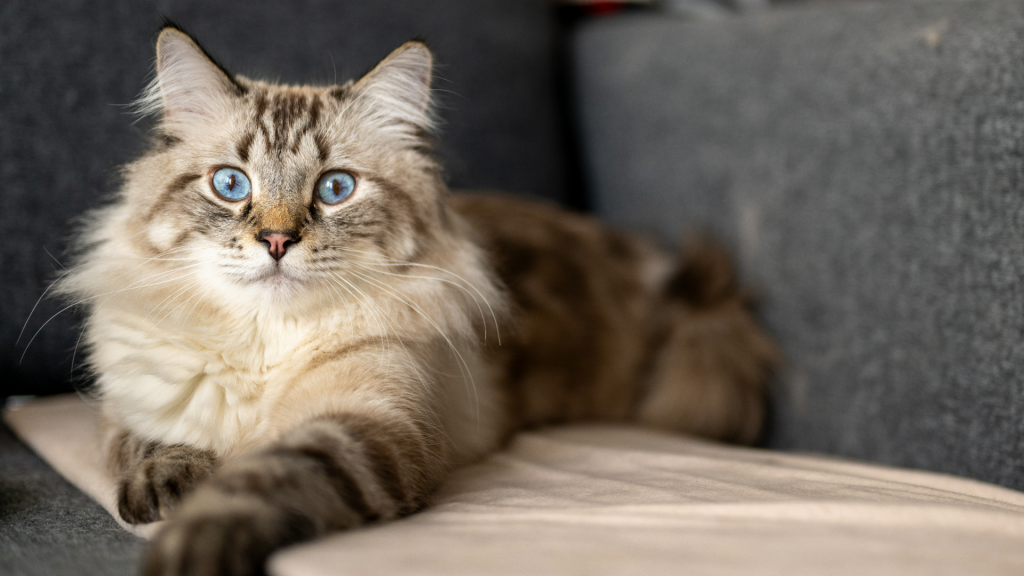
Siberian cats
Siberians are often mentioned in discussions about hypoallergenic cats due to reports of lower Fel d 1 levels in some individuals. Despite their thick coat, they are popular among allergy sensitive owners.
Their friendly and social personality makes them a family favorite. However, reactions vary, so personal exposure testing is important before adoption.
Balinese cats
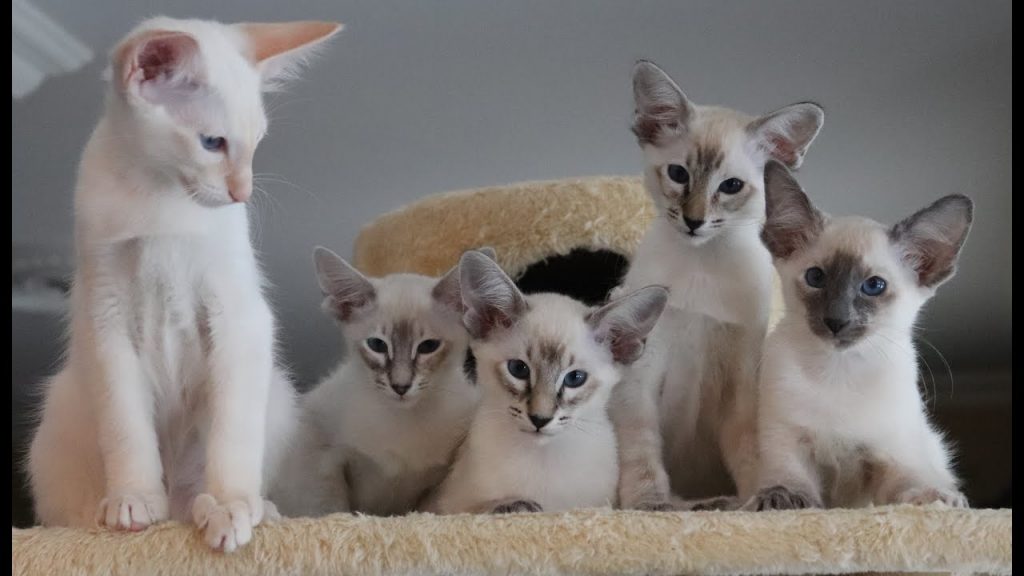
Balinese cats are sometimes called long haired Siamese cats. They are known for producing fewer allergens in anecdotal reports and are often recommended for people exploring hypoallergenic cats.
They are intelligent, vocal, and highly social, which makes them engaging companions.
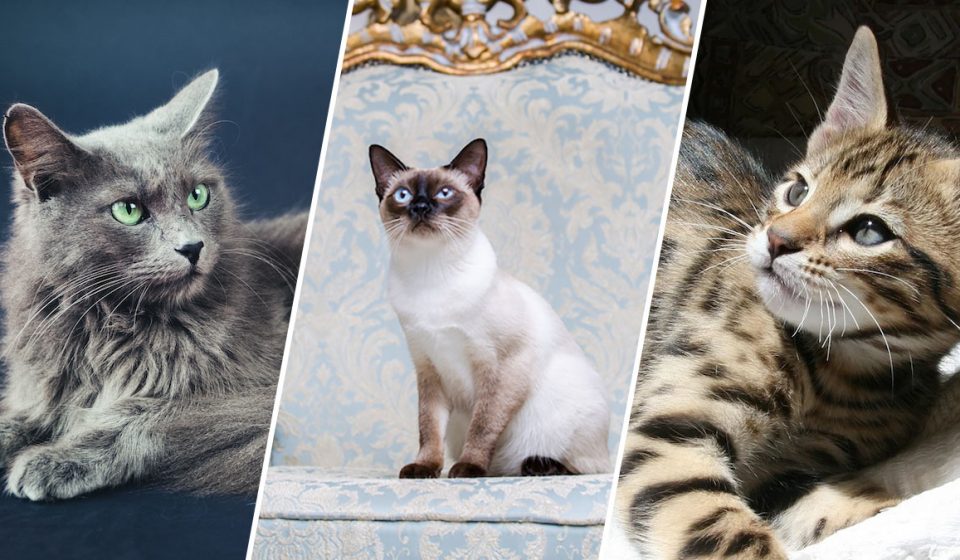
Russian Blue
The Russian Blue is a short haired breed with a dense coat that sheds less than many others. This can help reduce allergen spread in the home environment.
Many allergy sufferers report milder reactions around this breed, making it a common choice when researching hypoallergenic cats.
Devon Rex
The Devon Rex has a unique curly coat that sheds minimally. Less shedding means fewer allergens circulating in the environment.
Among hypoallergenic cats, this breed is often considered easier to manage in indoor settings due to its low maintenance coat.
Sphynx cats
Sphynx cats are hairless, which leads many people to assume they are ideal hypoallergenic cats. However, they still produce Fel d 1 through their skin.
Because they lack fur, regular bathing is required to remove oils that carry allergens. For some individuals, this can significantly reduce reactions.
Bengal cats
Bengals are not officially classified as hypoallergenic cats, but their short, fine coat and low shedding nature may reduce allergen spread for some people.
However, sensitivity varies greatly with this breed, making personal exposure testing essential.
The role of environment in managing allergies
Choosing hypoallergenic cats is only part of the solution. Your home environment plays an equally important role in controlling symptoms.
Air filtration and ventilation
HEPA air purifiers can reduce airborne allergens significantly. Proper ventilation also prevents allergen buildup in enclosed spaces.
Cleaning habits
Regular cleaning is essential even with hypoallergenic cats. Focus on:
- Vacuuming carpets and upholstery
- Washing bedding frequently
- Reducing dust collecting fabrics
These steps help control allergen accumulation in the home.
Bedroom boundaries
Many people with allergies find relief by keeping cats out of the bedroom. This creates a low exposure space for sleeping and recovery.
Grooming and maintenance strategies
Grooming plays a major role in reducing allergen spread. Brushing cats regularly helps remove loose fur and dander before it spreads through the home.
For breeds like Sphynx cats, bathing is especially important since oils on the skin carry allergens. This makes grooming a key factor even among hypoallergenic cats.
Professional grooming or consistent home routines can make a noticeable difference in symptom control.
How to choose the right cat if you have allergies
Selecting among hypoallergenic cats requires more than just reading breed lists. A practical approach is essential.
Spend time with the cat first
Before adopting, spend time in close contact with the specific cat. Allergic reactions are highly individual, and real exposure is the most reliable test.
Consider adult cats
Adult cats give a more accurate idea of allergen levels compared to kittens, whose future shedding and protein production are not fully predictable.
Evaluate your living space
Clean, well ventilated homes with fewer carpets tend to support better allergy management, even with hypoallergenic cats.
Focus on lifestyle compatibility
Personality, energy level, and care needs matter just as much as allergen levels when choosing a pet.
Why hypoallergenic cats still cause reactions
Even the most recommended hypoallergenic cats can still trigger allergies. This happens because Fel d 1 is present in all cats, and sensitivity varies from person to person.
Some people react strongly to minimal exposure, while others can live comfortably with certain breeds. This variability explains why there is no universal “safe” cat.
Environmental control and personal sensitivity both play a role in determining the outcome.
Living successfully with cats and allergies
Many people successfully live with cats despite allergies by combining smart choices and consistent habits.
Key strategies include:
- Choosing lower shedding breeds when possible
- Maintaining strict cleaning routines
- Using air purification systems
- Managing direct exposure
Even with hypoallergenic cats, success depends on long term consistency rather than one time decisions.
Emotional connection versus physical limitations
The bond between humans and cats is powerful. For many, cats provide emotional stability, companionship, and daily structure.
Hypoallergenic cats offer a bridge between desire and limitation. They do not eliminate allergies, but they can make coexistence more realistic for many people.
The goal is not perfection but balance. With the right expectations, it is possible to enjoy companionship without constant discomfort.
FAQ about hypoallergenic cats
Are hypoallergenic cats completely safe for allergy sufferers
No. They may reduce allergens but do not eliminate them.
Which breeds are most often considered hypoallergenic cats
Siberian, Balinese, Russian Blue, Devon Rex, and Sphynx are commonly discussed.
Can allergies get better over time with exposure
Some people develop partial tolerance, but it is not guaranteed.
Does grooming reduce allergic reactions
Yes. Regular grooming reduces dander and allergen spread.
Are male or female cats better for allergies
Male cats may produce slightly more allergens in some cases, but differences are not absolute.
Conclusion
The idea of hypoallergenic cats is best understood as a spectrum rather than a fixed category. No cat is completely free of allergens, but some breeds may be more compatible with sensitive individuals.
Success comes from combining informed breed selection, environmental control, and realistic expectations. When these elements work together, living with cats becomes more manageable and enjoyable.
For many people, the goal is not an allergy free life but a balanced one. And in that space, hypoallergenic cats can still make a meaningful difference.
