
























































Moss Agate Formation Occurrence and Uses Inside the Story of Nature’s Forest Like Gemstone

Introduction
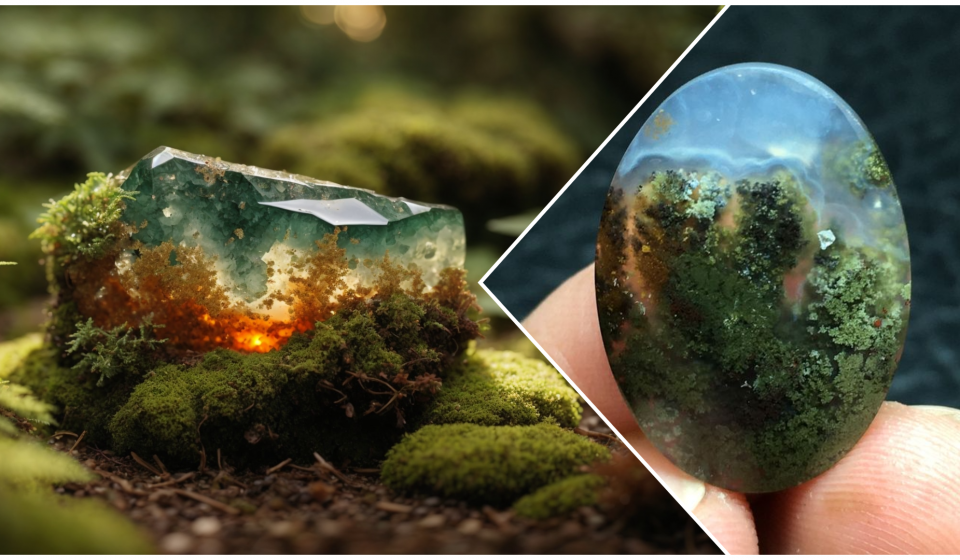
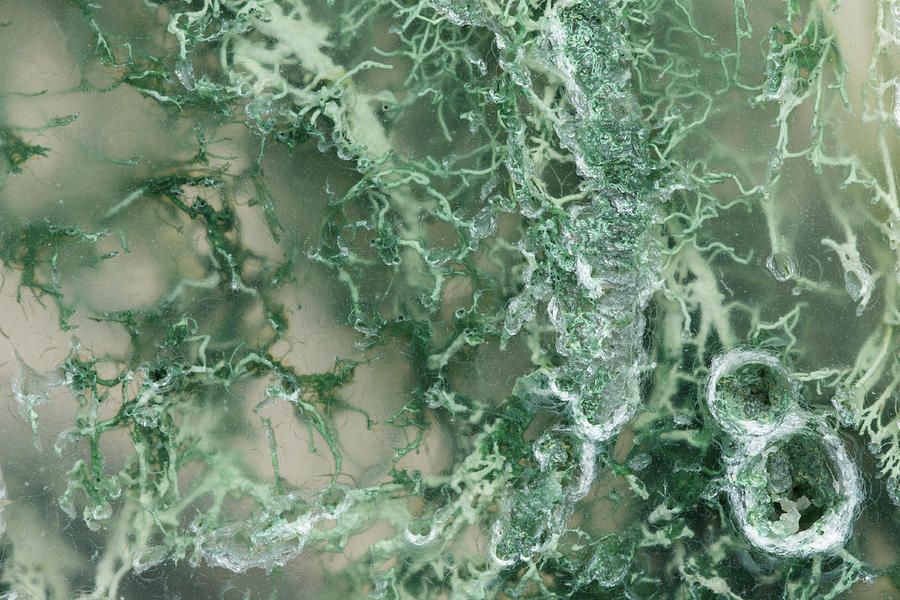
Moss agate is one of the most visually unique gemstones found in nature. It looks like tiny green landscapes trapped inside clear stone, almost like frozen pieces of forest. What makes it even more interesting is that these patterns are not organic at all. They are formed through slow geological processes over millions of years.
This gemstone is widely used in jewelry, collected by crystal lovers, and appreciated in interior design because of its natural, calming appearance. Many people also associate it with emotional balance and grounding energy.
In this guide, we will explore its formation, where it is found, how it is used, and why it continues to stay popular in modern design and lifestyle trends.
What is moss agate
Moss agate is a variety of chalcedony, which is a form of microcrystalline quartz. Unlike banded agates, it does not have stripes. Instead, it contains dendritic inclusions that create moss-like patterns inside the stone.
These patterns are formed by minerals such as iron and manganese. They spread inside the stone in branching shapes, creating a natural landscape effect.
Even though the name suggests plant matter, moss agate contains no organic material. Everything inside it is mineral-based and naturally formed.
Each piece is unique, which is one reason collectors and designers value it so highly.
Moss agate formation explained in nature
The formation process begins deep inside volcanic rock cavities. Silica-rich water enters these cavities and slowly deposits layers of quartz over time.
During this process, trace minerals become trapped inside the forming stone. As they spread, they create branching patterns that resemble trees or moss.
This slow crystallization process takes millions of years. The result is a translucent stone filled with natural scenery-like patterns.
Because of this slow formation, no two stones ever look exactly the same.
Where moss agate is found
This gemstone is found in several parts of the world, especially in regions with volcanic activity.
Common sources include India, Brazil, Uruguay, Madagascar, and the United States.
Each location produces slightly different visual patterns depending on local mineral conditions.
Some stones appear more green and dense, while others are lighter and more transparent.
Types and color variations
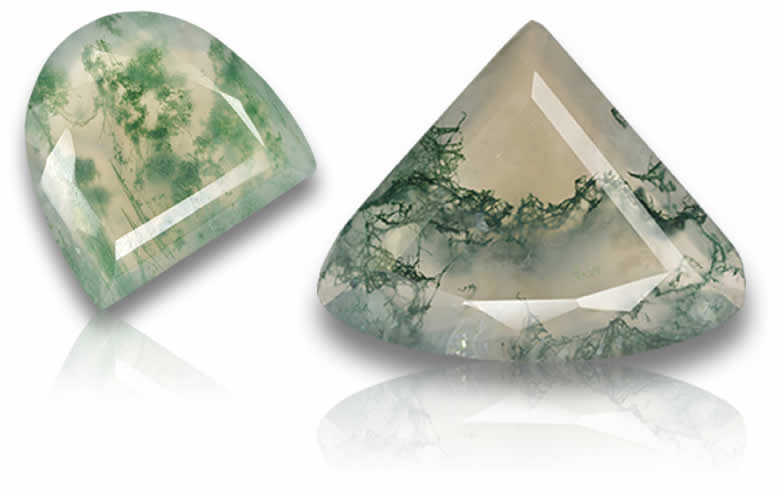
This gemstone appears in different color variations depending on mineral content.
Green is the most common type, showing forest-like patterns. Blue variations look more like underwater scenes. Brown and red tones come from iron-rich inclusions. Some stones are very light and almost transparent.
These variations all share the same formation process but differ in appearance due to natural conditions.
Moss agate uses in jewelry
One of the most popular applications is in jewelry design. It is commonly used in rings, necklaces, bracelets, and earrings.
Designers prefer it because every stone looks different, making each piece unique.
It pairs well with both gold and silver settings and fits modern minimalist fashion styles.
Many people also choose it for engagement rings because it symbolizes growth and harmony.
Interior and decorative uses
Beyond jewelry, this gemstone is also used in home decor. Polished slabs are displayed as natural art pieces.
It is also used in coasters, tabletops, and decorative objects.
Raw pieces are collected for their natural beauty and organic look.
These decorative uses highlight its natural artistic value.
Symbolism and meaning
Many people associate moss agate with emotional balance, stability, and personal growth.
It is often seen as a calming stone that represents connection to nature.
Some believe it helps reduce stress and encourages patience.
These meanings are symbolic rather than scientific but remain culturally important.
How to identify real moss agate
Authentic stones always show irregular natural patterns. No two pieces look exactly the same.
The inclusions appear three-dimensional and not printed. The surface feels cool and solid like quartz.
Fake versions often look too perfect or overly uniform.
Understanding natural formation helps in identifying genuine pieces.
Care and maintenance
This gemstone is fairly durable and easy to maintain.
Clean it with mild soap and water, avoid harsh chemicals, and store it separately to prevent scratches.
With proper care, it maintains its beauty for a long time.
Modern popularity
This gemstone has become more popular due to natural design trends and social media exposure.
People are increasingly drawn to organic, earth-inspired materials.
It fits well into minimalist fashion and sustainable lifestyle trends.
Its natural patterns make it visually appealing for modern aesthetics.
Buying guide
When buying this gemstone, focus on clarity, pattern quality, and authenticity.
Look for natural inclusions, balanced color, and smooth finishing.
Avoid pieces that look overly artificial or too uniform.
High-quality stones always show natural randomness.
Frequently asked questions
What is moss agate made of
It is made of silicon dioxide with mineral inclusions.
Is moss agate natural
Yes, it forms naturally over millions of years.
Why does it look like moss
Because mineral inclusions create branching patterns.
Is it rare
It is not rare, but high-quality pieces are valuable.
What is it used for
It is used in jewelry, decor, and symbolic practices.
Conclusion
This gemstone is a perfect example of how nature creates art through slow geological processes. From deep within volcanic rock to polished jewelry pieces, it carries a story of time, transformation, and natural beauty.
Its unique patterns, wide availability, and aesthetic appeal make it a favorite in both fashion and design.
As trends continue to shift toward natural materials, this stone will remain a strong presence in jewelry and lifestyle spaces.
