

























































Hidden within the lush landscapes of Central America is a fragrant edible flower that has quietly shaped local cuisine for generations. Known as loroco, this unique ingredient has long been a staple in Salvadoran and Guatemalan cooking, valued for its earthy aroma, delicate floral notes, and remarkable versatility.
For decades, the ingredient remained largely unknown outside its native region. Today, however, chefs, food travelers, and culinary enthusiasts across the world are beginning to embrace its rich flavor and cultural significance. From traditional handmade dishes to modern gourmet creations, loroco is steadily becoming one of the most fascinating ingredients in global food culture.
Its growing popularity is not simply another passing food trend. The appeal comes from authenticity. Modern diners are increasingly drawn to ingredients connected to heritage, regional identity, and real culinary traditions. This edible flower delivers all of that while offering a flavor unlike almost anything else.
As international cuisine continues evolving, many experts believe this Central American delicacy is finally receiving the recognition it deserves.
What Is loroco
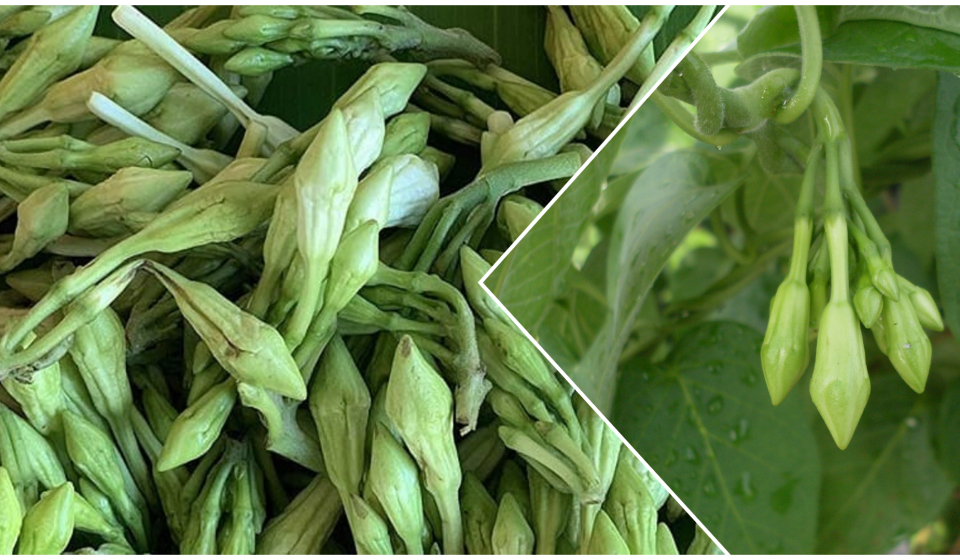
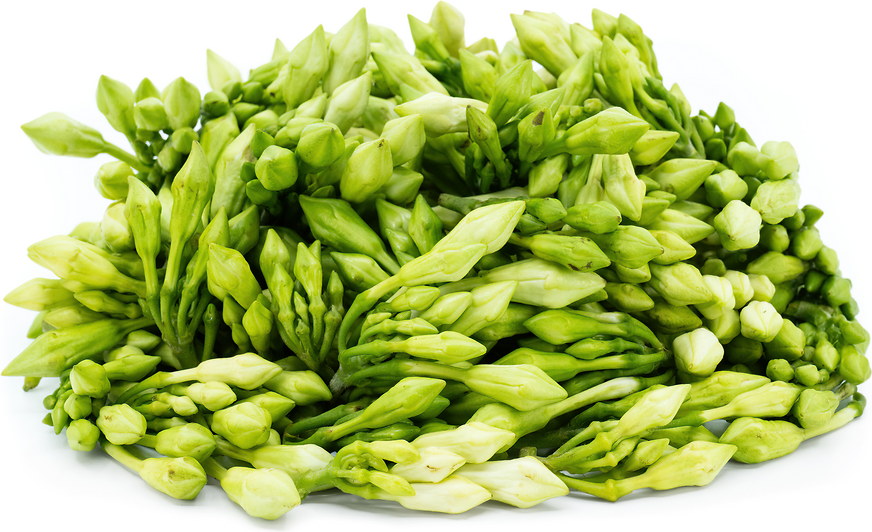
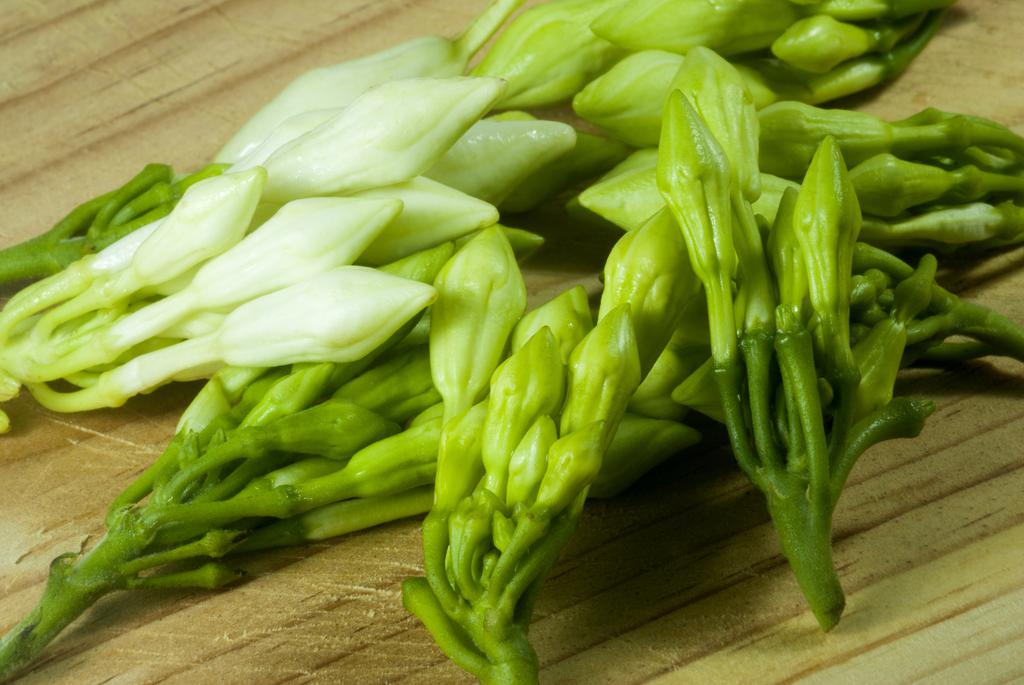
loroco is an edible flower bud harvested from a tropical vine scientifically called Fernaldia pandurata. The plant naturally grows throughout parts of El Salvador, Guatemala, Honduras, and southern Mexico, where warm climates and seasonal rainfall create ideal growing conditions.
The buds are carefully picked before blooming because this stage provides the best texture and flavor for cooking. Once harvested, they are used in a wide variety of traditional recipes ranging from stuffed tortillas to rice dishes and savory sauces.
The flavor is often described as earthy, herbal, and slightly floral with subtle notes similar to asparagus or artichoke. When cooked, the buds release a strong aromatic scent that instantly fills the kitchen.
Unlike decorative edible flowers commonly used for presentation, this ingredient plays a central role in cooking and contributes genuine depth to meals.
Why This Ingredient Is Gaining Global Attention
Food culture has changed dramatically in recent years. Consumers now seek ingredients that feel authentic, meaningful, and connected to real culinary traditions rather than heavily processed flavors.
That shift explains why loroco has started attracting worldwide interest.
Professional chefs appreciate ingredients that create memorable dining experiences while also telling a story. This flower bud provides both. It introduces diners to a flavor many have never experienced while reflecting generations of Central American culinary heritage.
The rise of social media food culture has also contributed to its growing popularity. Travelers visiting El Salvador often discover the ingredient through homemade street food and family restaurants before searching for it again after returning home.
As demand increases, specialty grocery stores and Latin American markets are making frozen and preserved versions more accessible internationally.
The Cultural Importance Behind the Ingredient
In many Central American communities, food is closely tied to identity, family traditions, and cultural pride. This aromatic flower holds a particularly important place in Salvadoran cuisine.
Families often grow the vine near their homes and harvest the buds seasonally for everyday meals. Recipes are commonly passed from one generation to another, preserving both flavor and tradition.
For many Salvadorans living abroad, the aroma of loroco can immediately bring back memories of home cooking and family gatherings.
The ingredient is most famously associated with pupusas, the beloved stuffed corn tortillas recognized as one of El Salvador’s national dishes. Combined with melted cheese, the herbal flavor creates a comforting balance that has become iconic throughout the region.
Today, the ingredient continues to represent an important connection to heritage for Central American communities worldwide.
What Does loroco Taste Like
One reason people become fascinated by this edible flower is because its flavor is difficult to compare directly with other ingredients.
The taste combines earthy richness with herbal freshness and mild floral undertones. Some people compare it to:
- Asparagus
- Artichoke hearts
- Cooked spinach
- Fresh herbs
- Green vegetables with floral notes
The aroma becomes more noticeable during cooking, adding warmth and depth to recipes without overwhelming the other ingredients.
Its balanced flavor profile makes it suitable for both traditional comfort food and modern gourmet dishes.
Traditional Dishes Made With loroco
Pupusas Filled With Cheese
The most famous preparation involves combining the flower buds with soft cheese inside thick handmade corn tortillas before grilling them until golden brown.
The creamy cheese perfectly balances the herbal flavor and aromatic qualities.
Rice Dishes
Many families cook the buds into rice to create fragrant and flavorful side dishes that pair well with beans, meats, and vegetables.
Egg-Based Breakfasts
Scrambled eggs and omelets absorb the savory flavor particularly well.
Tamales
Some traditional tamale recipes use the ingredient to create richer aroma and texture.
Soups and Cream Sauces
Modern chefs increasingly add the buds to creamy soups, pasta sauces, and savory fillings.
Nutritional Benefits
Beyond flavor, this traditional ingredient also contains nutritional value.
Rich in Plant-Based Nutrients
Like many green vegetables, it contains beneficial plant compounds and antioxidants.
Source of Dietary Fiber
Fiber supports digestive health and balanced eating habits.
Contains Important Minerals
The buds provide nutrients such as:
- Calcium
- Iron
- Potassium
- Vitamin C
Naturally Low in Calories
Its strong flavor and light nutritional profile make it suitable for balanced diets and plant-based cooking.
How the Plant Is Grown
The vine grows best in warm tropical climates and is commonly cultivated on small family farms throughout Central America.
Farmers harvest the buds carefully before blooming because timing strongly affects flavor and texture. Most harvesting is still done by hand using traditional agricultural methods passed through generations.
Because the plant thrives naturally in this region, Central America remains the primary source for international exports.
The continued popularity of traditional farming practices also helps preserve the authenticity and cultural importance connected to the ingredient.
Why Modern Chefs Love Using It
Professional kitchens are constantly searching for ingredients that deliver originality and depth. This edible flower has become especially appealing because it combines unique flavor with cultural storytelling.
It Feels Authentic
Modern diners increasingly value foods connected to heritage and regional traditions.
It Works Across Different Cuisines
The ingredient adapts surprisingly well to dishes such as:
- Gourmet flatbreads
- Artisan pizzas
- Pasta dishes
- Vegetarian meals
- Savory pastries
It Creates Curiosity
Many restaurant guests order dishes featuring the ingredient simply because they want to experience something new and unfamiliar.
Cooking Ideas for Home Kitchens
People trying this ingredient for the first time often discover that simple recipes work best.
Pair It With Cheese
Soft cheeses complement the herbal aroma naturally.
Add It to Rice
Even small amounts can dramatically improve flavor and fragrance.
Use It in Flatbreads
Stuffed breads and tortillas create excellent texture combinations.
Mix Into Eggs
Breakfast recipes offer one of the easiest introductions for beginners.
Blend Into Creamy Sauces
Cream-based dishes absorb the floral herbal notes especially well.
Where You Can Find loroco
Fresh buds can be difficult to export because they spoil quickly. However, international demand has made preserved versions much easier to find.
Today, shoppers can often purchase:
- Frozen packages
- Vacuum-sealed products
- Jarred preserved buds
- Imported items from Latin grocery stores
Frozen varieties are generally considered the closest alternative to fresh harvests.
The Future of Traditional Central American Ingredients
Global cuisine is becoming increasingly interested in regional ingredients and forgotten food traditions. As diners search for authentic culinary experiences, traditional foods from Central America are beginning to gain well-deserved recognition.
Ingredients connected to culture and heritage often leave stronger impressions than temporary food trends. That is why culinary experts believe loroco has lasting potential in international gastronomy.
Its flavor feels unique without being overwhelming, and its cultural story adds meaning to every dish it touches.
As more restaurants, food writers, and travelers continue exploring authentic regional cuisine, this once-overlooked flower may soon become a familiar ingredient in kitchens far beyond Central America.
FAQs About loroco
Is loroco a flower or a vegetable
It is technically an edible flower bud harvested before blooming.
What country is loroco most associated with
It is especially popular in El Salvador and Guatemala.
What does loroco taste like
The flavor is earthy, herbal, slightly floral, and mildly savory.
Is loroco healthy
Yes. It contains fiber, minerals, vitamins, and beneficial plant compounds.
Can loroco be eaten raw
Most recipes cook it because heat enhances the aroma and flavor.
What food is loroco most famous for
It is most commonly associated with Salvadoran pupusas filled with cheese and flower buds.
Conclusion
loroco is far more than a traditional ingredient hidden within Central American kitchens. It represents history, family traditions, and the growing global appreciation for authentic regional cuisine.
Its rich aroma, unique flavor, and deep cultural roots are exactly why chefs and food lovers around the world are paying attention. From comforting handmade street food to modern gourmet creations, this edible flower continues proving that traditional ingredients can still feel exciting in contemporary cooking.
As culinary culture increasingly embraces heritage and authenticity, loroco stands out as one of the most memorable ingredients emerging onto the international food scene.
