



























































The term Crack Pipe is often associated with substance use, addiction, public health debates, and legal discussions. While many people recognize the phrase from news headlines or social conversations, fewer understand the broader implications connected to it. From health risks and social consequences to harm reduction strategies and legal considerations, the topic continues to generate attention across healthcare, law enforcement, and community organizations.
In recent years, conversations around drug paraphernalia and addiction treatment have shifted from punishment-focused approaches toward education, prevention, and public health awareness. Understanding what a Crack Pipe is, how it is used, and why it remains a concern can help individuals make informed decisions and better understand the societal impact surrounding substance abuse.
This article explores the subject in a neutral and educational way, covering the history, risks, legal aspects, public health concerns, and preventive measures connected to Crack Pipe usage.
What Is a Crack Pipe?
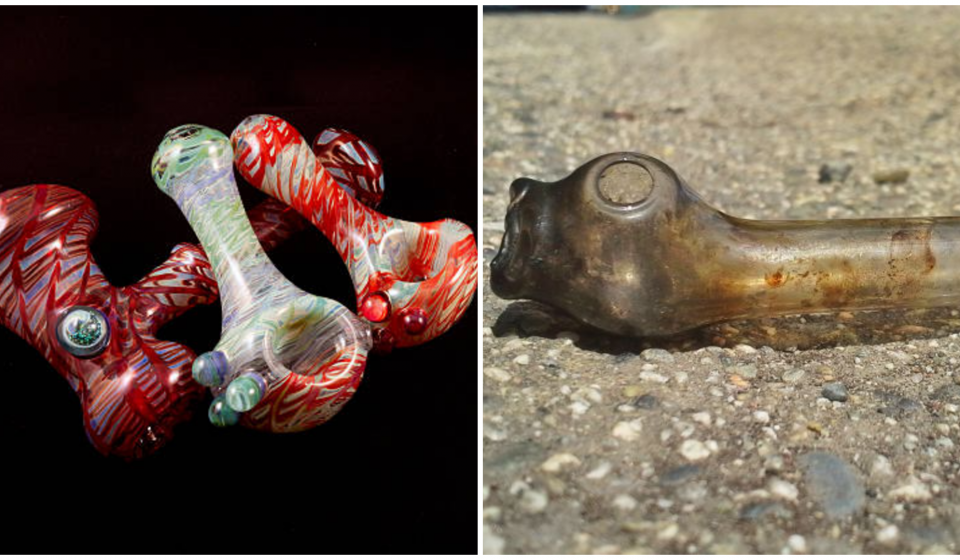
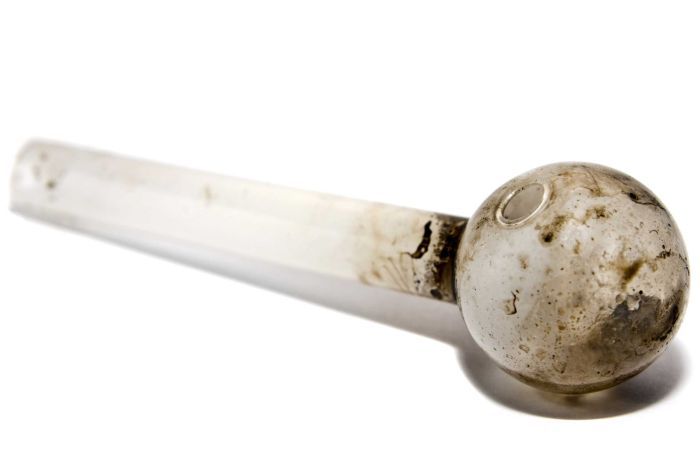
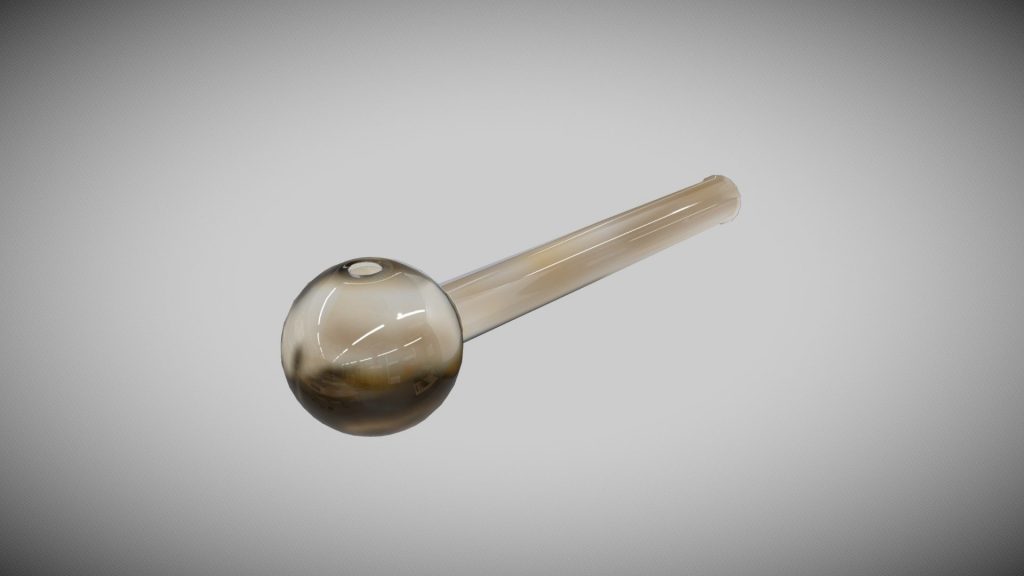
A Crack Pipe is a device commonly associated with smoking crack cocaine, a highly addictive stimulant derived from cocaine. These pipes are typically made from glass, metal, or improvised materials and are designed to heat and inhale vaporized substances.
Crack cocaine became widely known during the 1980s due to its rapid spread in urban communities and its strong addictive properties. Because the substance is smoked rather than snorted or injected, the effects often occur quickly and intensely. The Crack Pipe became one of the most recognizable symbols connected to crack cocaine use and the larger drug epidemic.
Although designs can vary, most Crack Pipe devices are small, portable, and simple in structure. Public health experts often discuss these devices in conversations about addiction treatment, overdose prevention, and disease transmission.
The History Behind Crack Cocaine and Crack Pipe Use
The rise of crack cocaine in the United States during the 1980s had a major social and economic impact. As the drug became more accessible and affordable than powdered cocaine, its use spread rapidly across many communities.
During this period, the Crack Pipe became strongly linked with addiction, crime, poverty, and public health crises. Media coverage intensified public fear, while governments introduced strict drug policies and criminal penalties related to possession and distribution.
Over time, researchers and healthcare professionals began examining addiction through a medical and psychological lens rather than solely a criminal issue. This shift influenced how society viewed drug paraphernalia, including the Crack Pipe, and encouraged more focus on treatment and rehabilitation.
Health Risks Associated With Crack Pipe Use
Using a Crack Pipe can expose individuals to several serious health risks. These risks may affect both physical and mental well-being and can worsen over time with repeated substance use.
Respiratory and Lung Damage
Smoking crack cocaine can significantly harm the respiratory system. The intense heat and chemical exposure may lead to:
- Chronic coughing
- Shortness of breath
- Lung inflammation
- Respiratory infections
- Chest pain
Frequent Crack Pipe use may also damage throat tissues and airways due to repeated exposure to heated smoke and toxic substances.
Burns and Injuries
Many Crack Pipe devices become extremely hot during use. This increases the likelihood of burns on the lips, fingers, and mouth. Broken or poorly made pipes can also cause cuts or injuries, raising the risk of infection.
Increased Risk of Disease Transmission
Public health organizations have raised concerns about shared Crack Pipe use. Sharing pipes may increase exposure to bloodborne diseases and infections when burns or cuts are present around the mouth.
For this reason, some harm reduction programs focus on distributing safer smoking supplies alongside addiction support services.
Mental Health Effects
Crack cocaine use can severely affect mental health. Common psychological effects include:
- Anxiety
- Paranoia
- Aggression
- Mood swings
- Depression
- Hallucinations
Long-term Crack Pipe use linked to crack cocaine addiction may contribute to emotional instability and cognitive impairment.
Why Crack Cocaine Is Highly Addictive
Crack cocaine produces an intense but short-lived euphoric effect. This rapid onset often encourages repeated use in a short period, increasing the risk of addiction.
When smoked through a Crack Pipe, the substance reaches the brain quickly, triggering dopamine release and reinforcing compulsive behavior patterns. Over time, users may develop tolerance, requiring larger amounts to achieve the same effect.
Addiction specialists emphasize that substance dependency is influenced by multiple factors, including:
- Genetics
- Mental health conditions
- Trauma
- Environmental stress
- Social influences
Understanding addiction as a complex medical condition helps reduce stigma and supports more effective recovery strategies.
Legal Issues Surrounding Crack Pipe Possession
Laws involving Crack Pipe possession differ widely depending on the country, state, or region. In many jurisdictions, these devices may be classified as drug paraphernalia if they are connected to illegal substance use.
Penalties can include:
- Fines
- Probation
- Criminal charges
- Jail time
Some areas enforce strict paraphernalia laws, while others have adopted more health-focused policies that prioritize treatment over incarceration.
Debates continue regarding whether criminal penalties effectively reduce addiction rates or whether rehabilitation programs produce better long-term outcomes.
Public Health and Harm Reduction Approaches
Public health experts increasingly support harm reduction strategies aimed at lowering the risks associated with substance use. Harm reduction does not encourage drug use. Instead, it seeks to reduce injury, disease transmission, and overdose deaths while connecting individuals with treatment resources.
Harm Reduction Programs
Certain organizations provide services such as:
- Addiction counseling
- Mental health support
- Educational outreach
- Safer smoking kits
- Referral to rehabilitation programs
In discussions involving Crack Pipe distribution programs, supporters argue that these efforts can help prevent infections and encourage contact with healthcare providers. Critics, however, worry that such initiatives may normalize substance use.
The debate remains ongoing, but many healthcare researchers emphasize the importance of evidence-based addiction treatment and community support systems.
The Social Impact of Crack Pipe Use
The social effects connected to Crack Pipe use extend beyond individual health concerns. Families, neighborhoods, workplaces, and healthcare systems may all experience consequences related to addiction and substance abuse.
Family and Relationship Struggles
Addiction can place intense pressure on personal relationships. Loved ones may experience emotional stress, financial hardship, and communication breakdowns.
Children living in households affected by addiction may also face challenges related to stability, education, and emotional well-being.
Economic Consequences
Substance addiction can contribute to:
- Job loss
- Reduced productivity
- Financial instability
- Increased healthcare expenses
Communities affected by widespread drug activity may also encounter increased public safety concerns and strain on local services.
Stigma and Social Isolation
People struggling with addiction often face stigma and discrimination. Negative stereotypes surrounding Crack Pipe use may discourage individuals from seeking treatment or support.
Reducing stigma through education and compassionate healthcare approaches can improve recovery outcomes and encourage earlier intervention.
Recognizing Signs of Crack Cocaine Addiction
Recognizing the warning signs of addiction is important for early intervention. Common indicators may include:
- Sudden behavioral changes
- Rapid weight loss
- Financial problems
- Secretive behavior
- Mood instability
- Sleep disturbances
- Neglect of responsibilities
Physical signs linked to frequent Crack Pipe use may also include burns, coughing, or visible respiratory issues.
If someone shows signs of substance dependency, professional medical and psychological support is strongly recommended.
Treatment and Recovery Options
Recovery from crack cocaine addiction is possible, though it often requires long-term support and structured treatment.
Detoxification and Medical Care
Some individuals begin recovery with supervised detox programs that help manage withdrawal symptoms safely.
Behavioral Therapy
Therapy approaches commonly used in addiction treatment include:
- Cognitive Behavioral Therapy (CBT)
- Group counseling
- Family therapy
- Motivational interviewing
These methods aim to identify triggers, improve coping skills, and strengthen emotional resilience.
Rehabilitation Programs
Residential and outpatient rehabilitation programs provide structured environments focused on recovery, education, and relapse prevention.
Community Support Groups
Peer support groups can help individuals maintain accountability and reduce feelings of isolation during recovery.
Prevention and Education Strategies
Education remains one of the most effective tools for preventing substance abuse and reducing the harms associated with Crack Pipe use.
School and Community Programs
Many prevention initiatives focus on:
- Youth education
- Mental health awareness
- Drug prevention campaigns
- Community outreach
Programs that encourage open communication and early support may help reduce the risk of addiction among vulnerable populations.
Access to Mental Health Services
Addressing mental health conditions early can lower the likelihood of substance dependency. Anxiety, depression, trauma, and chronic stress are often linked with addiction risk factors.
Family Involvement
Supportive family environments can play an important role in prevention and recovery. Education for parents and caregivers may help improve awareness and communication around substance-related issues.
Media Representation and Public Perception
Media portrayals of Crack Pipe use have evolved over the years. Earlier coverage often focused heavily on crime and fear-based narratives, while modern discussions increasingly include public health perspectives and recovery stories.
Balanced reporting can help communities better understand addiction as a complex issue rather than reducing it to stereotypes or punishment-focused narratives.
The Importance of Compassionate Support
Addiction recovery is rarely a simple process. Many people struggling with substance dependency face barriers such as poverty, mental health challenges, unstable housing, or limited access to healthcare.
Compassionate and evidence-based support systems are often more effective than judgment or isolation. Healthcare professionals, counselors, families, and community organizations all play important roles in helping individuals move toward recovery and stability.
Frequently Asked Questions
What is a Crack Pipe used for?
A Crack Pipe is commonly associated with smoking crack cocaine, a stimulant drug derived from cocaine.
Is Crack Pipe possession illegal?
Laws vary by location. In many regions, possession may be considered drug paraphernalia and could result in legal penalties.
What health risks are linked to Crack Pipe use?
Risks may include respiratory damage, burns, infections, addiction, and serious mental health effects.
Can crack cocaine addiction be treated?
Yes. Recovery is possible through medical care, therapy, rehabilitation programs, and long-term support systems.
Why do public health programs discuss Crack Pipe distribution?
Some harm reduction programs aim to reduce injuries, infections, and overdose risks while encouraging access to healthcare and treatment services.
Conclusion
The topic of Crack Pipe use remains closely connected to addiction, public health, legal policy, and social impact. While the device itself is often viewed as a symbol of substance abuse, the broader conversation involves far more than paraphernalia alone. Issues such as mental health, community support, education, rehabilitation, and harm reduction all play critical roles in addressing addiction effectively.
Understanding the realities behind Crack Pipe use can encourage more informed discussions and reduce harmful misconceptions surrounding substance dependency. As healthcare systems and communities continue exploring prevention and recovery strategies, education and compassionate support remain essential in helping individuals and families affected by addiction.
