
























































Introduction
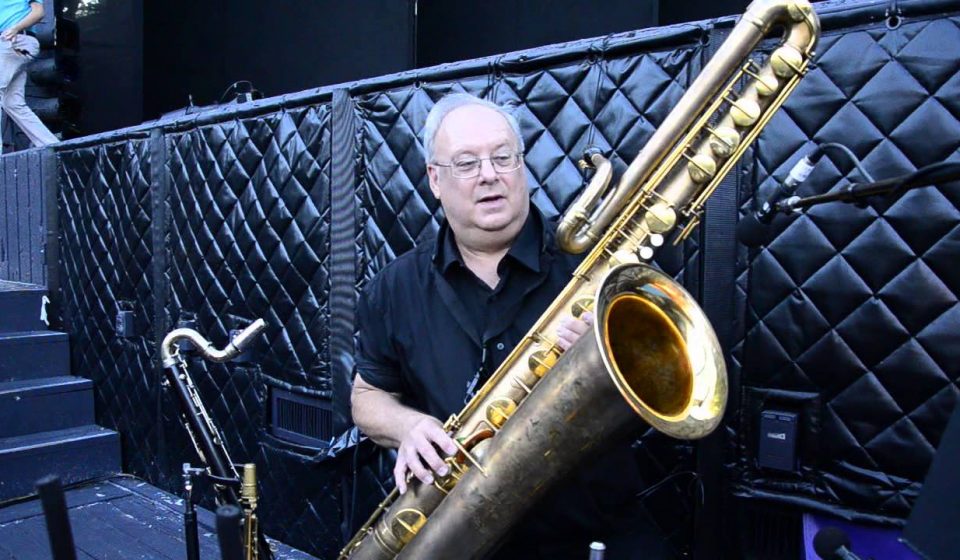
The bass saxophone is one of the most powerful and visually striking instruments in the woodwind family. It is known for its extremely deep tone rich resonance and emotional depth. While it is less common than alto or tenor saxophones it has an important place in jazz orchestras film music and experimental compositions. Musicians are drawn to its unique sound because it offers a rare combination of strength warmth and expressive range.
The bass saxophone continues to grow in popularity among modern performers who want a distinctive musical voice. Its sound is capable of shaping atmosphere creating emotional impact and adding depth to ensemble arrangements. This makes it an important instrument in both traditional and contemporary music.
History and Development of Bass Saxophone
The bass saxophone was created in the nineteenth century by Adolphe Sax, who designed the saxophone family to connect brass and woodwind instruments. The goal was to create a full range of voices that could support orchestral and band music.
The bass saxophone became one of the lowest voices in the family. It was widely used in early military bands and later gained attention in jazz and dance orchestras during the early twentieth century. Before the double bass became common in jazz groups, the bass saxophone often provided the bass line foundation.
During the swing era, it appeared in many big band recordings, where it added power and depth. Over time, its use declined as smaller saxophones became more practical. However, it never disappeared and continues to be used in modern experimental music and film scoring.
Design and Structure
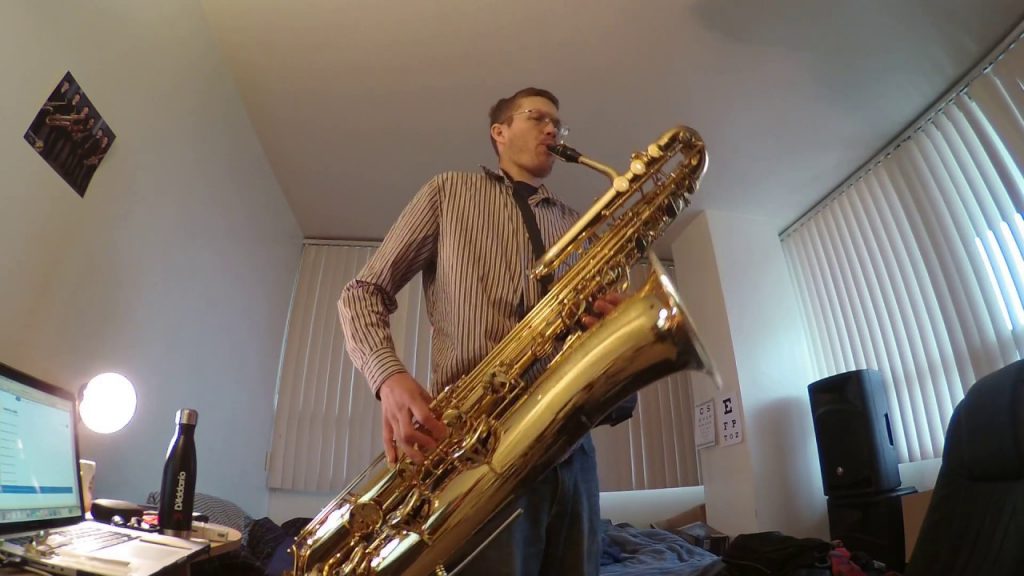
The bass saxophone is a large B flat instrument pitched one octave below the tenor saxophone. It has long tubing and a wide bell, which allows it to produce extremely low frequencies. The instrument is much larger than other saxophones and requires a support harness due to its weight.
Its key system is similar to other saxophones but the spacing is wider which requires more finger control. The design allows it to produce a deep and full sound that blends well with other instruments in ensemble settings.
Sound Characteristics
The bass saxophone produces a deep, dark and resonant tone. Its sound is powerful yet expressive and can shift from soft atmospheric textures to strong dramatic tones, depending on the performance style.
It is commonly used to add emotional depth and harmonic support in musical arrangements. The instrument blends well with brass percussion and woodwind sections, which makes it useful in orchestras, jazz groups, and modern studio recordings.
Bass Saxophone vs Baritone Saxophone
The bass saxophone and baritone saxophone are often compared but they are very different in size and sound.
The bass saxophone is larger and produces lower frequencies with a heavier tone. The baritone saxophone is smaller and has a brighter, more agile sound. The baritone is commonly used in school bands and standard jazz ensembles, while the bass saxophone is used in professional and specialized settings.
Role in Modern Music
Today the bass saxophone is used in jazz experimental music classical compositions and film scoring. Composers use it to create deep atmospheric effects and emotional soundscapes.
In film music, it is often used in suspense and dramatic scenes due to its dark tonal quality. In jazz, it adds richness and depth to ensemble arrangements. Modern digital platforms have also helped increase their popularity by showcasing performances to global audiences.
Learning and Playing Experience
Learning the bass saxophone can be challenging due to its size and air requirements. Players need strong breath control to maintain a stable tone. The wider key spacing also requires adjustment, especially for musicians transitioning from smaller saxophones.
Despite these challenges, it offers a rewarding experience for musicians who want a unique and powerful sound. It is often chosen by advanced players who want to expand their musical range.
Choosing the Right Bass Saxophone
Selecting a bass saxophone requires attention to build quality, tuning stability, key response, and durability. Beginner players often start with rental instruments before investing in a professional model.
Professional instruments offer better tone projection, smoother key action, and improved intonation. Testing different models helps musicians find the right fit for their playing style and comfort.
Influential Musicians
Several musicians have played an important role in shaping the identity of the bass saxophone.
Adrian Rollini helped introduce it to jazz audiences during the early swing era and demonstrated its musical potential.
Roscoe Mitchell expanded its use in experimental jazz and modern improvisation.
Anthony Braxton explored its full expressive range in avant-garde and contemporary compositions.
Their contributions helped keep the instrument relevant in modern music.
Maintenance and Care
Proper care is essential to maintain sound quality and durability. The instrument should be cleaned after each use to prevent moisture buildup.
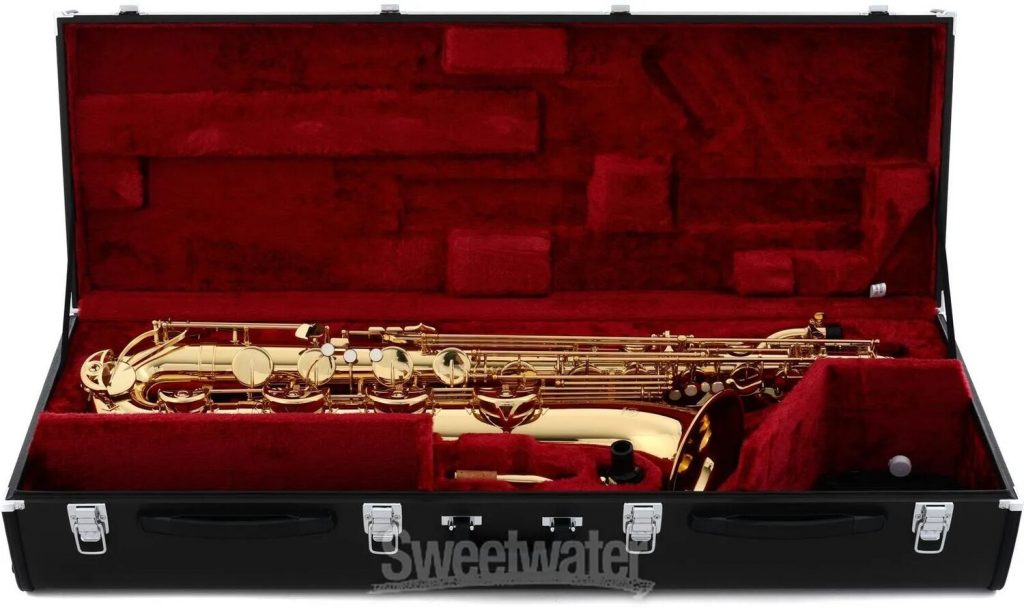
It should always be stored in a strong protective case due to its size and sensitivity. Regular servicing helps maintain pad condition, key alignment, and overall performance quality.
FAQ
What is a bass saxophone? It is a large woodwind instrument in the saxophone family known for producing very deep and powerful tones.
Is the bass saxophone hard to play? Yes, it can be challenging because of its size, breath requirement, and key spacing, but it becomes easier with practice.
How is the bass saxophone different from the baritone saxophone? The bass saxophone is larger and produces much lower and heavier tones compared to the baritone saxophone.
What music uses a bass saxophone? It is used in jazz, classical music, film scoring, and experimental compositions.
Conclusion
The bass saxophone remains one of the most unique and powerful instruments in the woodwind family. Its deep sound, expressive range and strong visual presence make it valuable in both traditional and modern music.
From its historical development to its role in jazz film music and experimental composition, it continues to influence musicians and composers around the world. Although it requires dedication to learn and maintain, it offers a rewarding musical experience with unmatched tonal depth.
For musicians seeking originality, emotional expression, and a strong sonic identity, the bass saxophone remains an exceptional choice that continues to evolve in modern music culture.
