

























































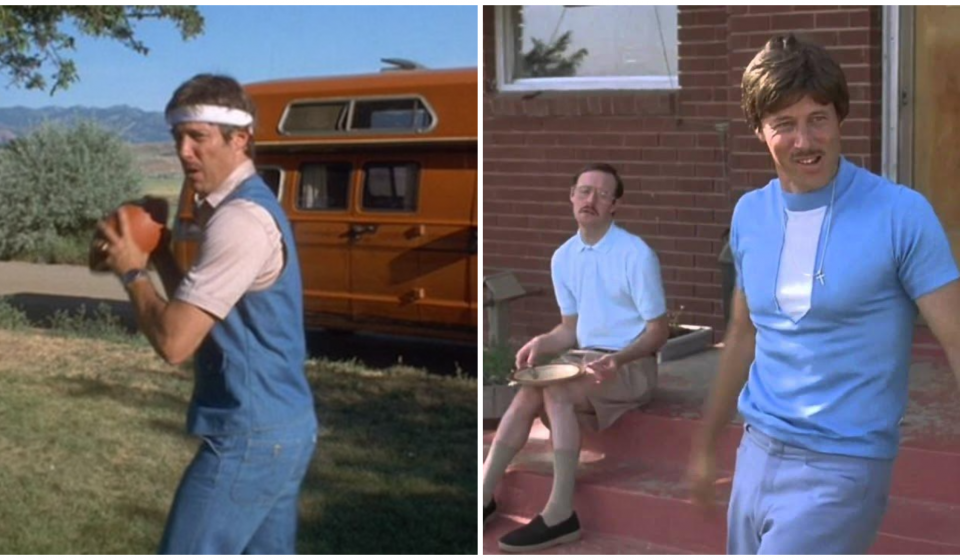
Uncle Rico: Why this one character from Napoleon Dynamite still sticks in people’s heads

I still remember the first time I saw Uncle Rico. He wasn’t the main character, and he didn’t even show up right away, but somehow he ended up stealing almost every scene he was in.
He’s one of those characters who feels like a joke at first, but the more you sit with it, the more you realize there’s something oddly real about him.
On the surface, he’s just a guy who can’t let go of his high school football days. He talks about the past like it was the peak of human achievement, like everything in life went downhill the moment that chapter ended. He even acts like if things had gone slightly differently, he’d be famous by now.
But what makes Uncle Rico interesting is that most people, at some point, have thought something similar. Not necessarily about football or fame, but about a moment in life where they felt like things could have gone another way.
That’s where the character starts to hit differently.
A guy stuck in a version of his own story
Uncle Rico lives in a world where he didn’t just play high school football, he almost became something bigger. In his mind, that “almost” matters more than everything that actually happened after.
He talks about it constantly. He replays it in his head like it’s still happening. He even tries to recreate moments from the past, as if repeating them now will somehow prove what he believes about himself.
What’s funny is that nobody around him really buys into it. They listen, but there’s always that sense that they’ve heard it all before. Still, he keeps going. That stubborn belief in a different version of his life is kind of the whole point of who he is.
And that’s where the humor comes in. It’s exaggerated, but not completely foreign.
Why people connect with him more than expected
At first, Uncle Rico feels like pure comedy. The way he talks, the confidence he has in completely unrealistic ideas, the seriousness he brings to things that are clearly not going anywhere. It’s all played for laughs.
But the longer you think about him, the more you realize he’s built around something pretty familiar: regret.
Not dramatic regret, not life-ruining regret, just that quiet kind people carry when they think about “what if I had tried harder” or “what if I stayed on that path.”
Most people don’t act on it the way he does. They don’t film motivational videos or throw footballs at parked vans. But they do think about different versions of their lives. Different careers, different choices, different timing.
Uncle Rico just takes that inner thought and turns it into behavior.
That’s what makes him memorable. He’s not just a joke. He’s an exaggerated version of something very human.
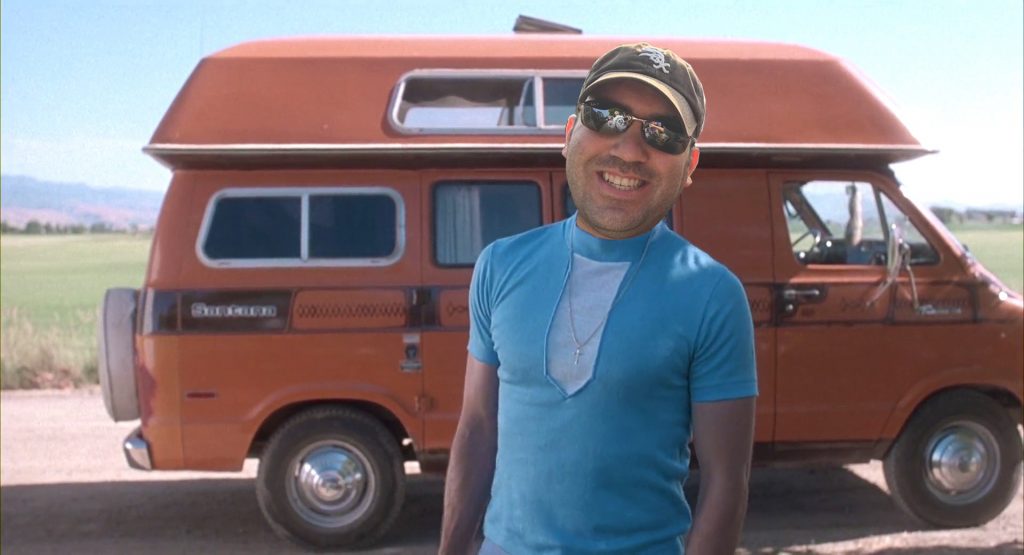
The awkward charm of Napoleon Dynamite’s world
Part of why Uncle Rico stands out also comes from the world he exists in. The film he comes from doesn’t really behave like a normal comedy. It’s quiet, strange, and full of characters who feel like they’re living slightly offbeat versions of reality.
Nobody in that movie feels completely “normal,” but they all feel believable in their own way.
So when Uncle Rico shows up talking about how he could have gone pro if he had just gotten his chance, it doesn’t feel completely out of place. It fits into that slightly awkward universe where everyone seems to be chasing something, even if it doesn’t fully make sense.
That setting gives him room to feel both ridiculous and kind of sad at the same time.
The humor that comes from seriousness
One of the reasons Uncle Rico works so well is that he never seems to realize how funny he is.
He’s not trying to be a joke. He’s completely serious about everything he says. That seriousness is what makes it funny. If he were self-aware, the character would fall apart. But he isn’t.
He believes in his own story so strongly that it becomes almost impressive. Even when the evidence clearly doesn’t support him, he doesn’t adjust his thinking. He just keeps going.
That kind of commitment to a belief, no matter how unrealistic, is something comedy often uses. But here it feels very specific, almost personal.
Why the “what if” mindset hits so hard
If there’s one idea that defines Uncle Rico, it’s the “what if” mindset.
What if I had played differently?
What if I had gotten noticed?
What if I had one more chance?
That kind of thinking is easy to slip into. Most people don’t stay there, but they visit it sometimes. A missed opportunity. A moment that didn’t go the way it was expected. A path not taken.
Uncle Rico just never leaves that space.
Instead of treating those thoughts as passing reflections, he builds his identity around them. That’s what makes his story both funny and a little uncomfortable. It’s what happens when someone never lets go of a version of themselves that only exists in memory.
The small tragedy hiding inside the comedy
Even though Uncle Rico is clearly written for laughs, there’s something slightly sad about him too.
He isn’t dangerous. He isn’t a villain. He’s just stuck.
He lives in a loop where the past always feels more important than the present. And because of that, he misses whatever is actually happening around him.
That’s the quiet emotional layer people pick up on later. Not while laughing at the scenes, but afterward, when the jokes settle a bit.
It’s not a heavy tragedy. It’s more like a soft one. The kind that doesn’t announce itself, but lingers.
Why he still shows up in conversations today
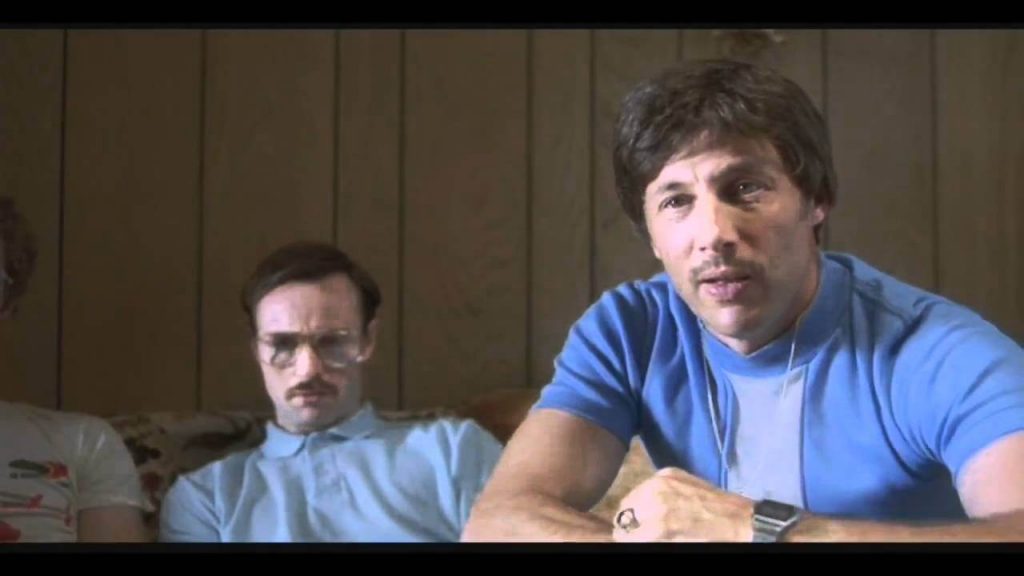
Years after the movie came out, Uncle Rico still gets mentioned all the time. Not because of new storylines or sequels, but because the character stuck in people’s memory in a strange way.
He shows up in memes. He shows up in conversations about regret. He shows up when people talk about people who “live in the past.”
That staying power comes from how simple the idea is. You don’t need context to understand him. You just need to understand the feeling of looking back and wondering if things could have gone differently.
That’s universal enough that it never really gets old.
A character that feels oddly personal
The interesting thing about Uncle Rico is that almost everyone sees him a little differently.
Some people see him as purely funny. Some see him as a warning. Some see him as a bit sad. And some people see a bit of themselves in him, even if they don’t want to admit it.
That mix is rare. A lot of comedy characters are funny in the moment but forgettable later. Uncle Rico stays because he has layers you don’t notice immediately.
You laugh first. Then you think. Then you realize why it stuck.
Final thoughts
Uncle Rico works because he’s not really about football, or high school, or even the specific things he talks about. He’s about something quieter and more common: the way people hold onto versions of themselves that no longer exist.
The humor comes from how far he takes it. The connection comes from recognizing a small piece of that feeling.
And that’s probably why he hasn’t faded away like so many other characters from that era. He isn’t just a funny side role. He’s a reminder of how easy it is to get stuck replaying old highlights instead of living new ones.
